Some links are affiliate links: as an Amazon Associate we earn from qualifying purchases. See our affiliate disclosure.
Fermented dill pickles are the old-fashioned deli kind: cucumbers sit in a salt brine for a few weeks while lactic acid bacteria turn them sour, garlicky and complex. No vinegar does the souring here. This guide follows the tested National Center for Home Food Preservation (NCHFP) recipe for fermented dill pickles.
Ingredients (per gallon of container capacity)
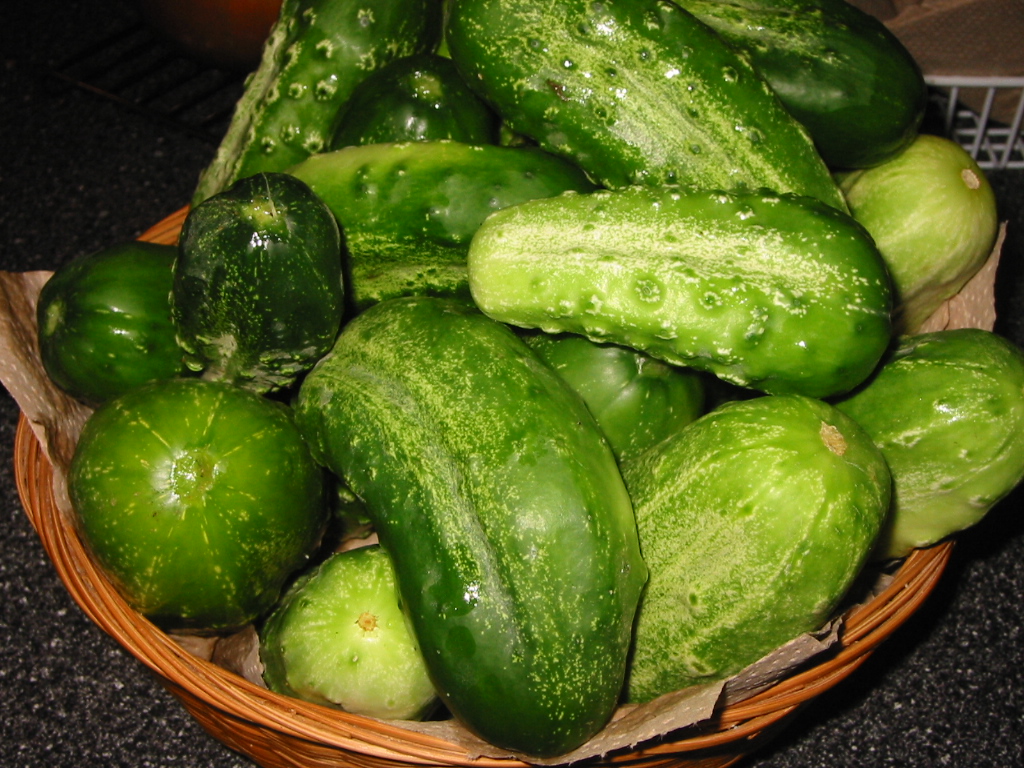
- 4 pounds pickling cucumbers, about 4 inches long
- 2 tablespoons dill seed, or 4 to 5 heads fresh or dried dill
- ½ cup canning or pickling salt
- ¼ cup vinegar (5% acidity)
- 8 cups water
- Optional: 2 cloves garlic, 2 dried red peppers and 2 teaspoons whole mixed pickling spice
Equipment
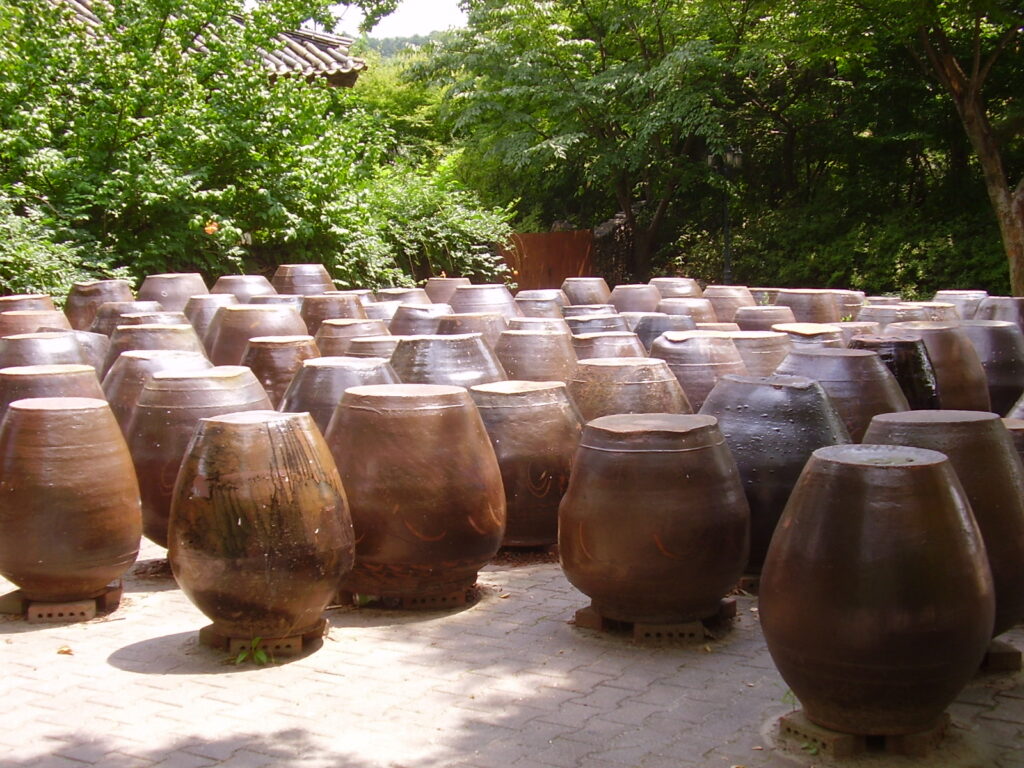
A 1-gallon crock like the HomeBuddy crock with weights or the Kenley water-seal crock is ideal. For smaller batches, use wide-mouth jars with airlock lids and glass weights.

Method
- Wash the cucumbers. Cut 1/16 inch off the blossom end and discard it. Leave ¼ inch of the stem.
- Put half the dill and spices in the bottom of a clean crock or jar.
- Add the cucumbers, then the rest of the dill and spices.
- Dissolve the salt in the vinegar and water and pour it over the cucumbers.
- Add a cover and weight so the cucumbers stay completely under the brine.
- Store at the right temperature (below) and check several times a week. Skim off any scum or mold promptly.
Temperature and time
| Temperature | Fermentation time |
|---|---|
| 70–75°F | About 3 to 4 weeks |
| 55–65°F | About 5 to 6 weeks |
| Above 80°F | Avoid; pickles turn too soft |
The pickles are done when they are evenly olive-green all the way through and taste sour. If the pickles turn soft, slimy or develop a disagreeable smell, throw them out.

Storing fermented pickles
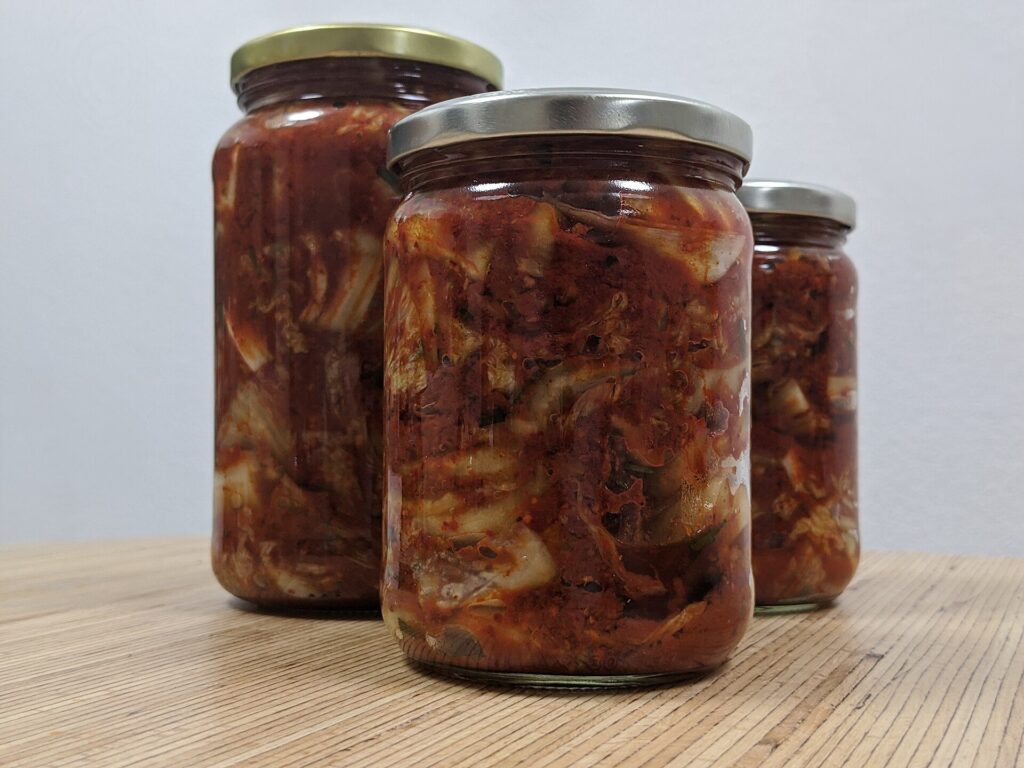
Fully fermented pickles can stay in their original container in the refrigerator for about 4 to 6 months, as long as you keep removing any surface scum or mold. Kept cold, they stay crunchy and keep their live cultures.
Canning fermented pickles
To keep them in the pantry, pour the brine into a pan, heat it slowly to a boil and simmer for 5 minutes. Filter it through paper coffee filters if you want clearer brine. Fill jars with the pickles and hot brine, leaving ½ inch of headspace, and process in a boiling water canner:
| Jar size | 0–1,000 ft | 1,001–6,000 ft | Above 6,000 ft |
|---|---|---|---|
| Pints | 10 min | 15 min | 20 min |
| Quarts | 15 min | 20 min | 25 min |
For a crisper canned pickle, NCHFP allows low-temperature pasteurization instead: hold the jars in water at 180 to 185°F for 30 minutes, checking with a thermometer.
Tips
- Use cucumbers within 24 hours of picking.
- Add a few grape or oak leaves to the crock; many picklers find their tannins help keep pickles firm.
- Keep the brine strength exactly as written: it is what keeps spoilage organisms out.
- Try sauerkraut next. It uses the same process.
Sources
- National Center for Home Food Preservation, Dill Pickles (Fermented)