Updated November 2026. Some links are affiliate links: as an Amazon Associate we earn from qualifying purchases.
A steam juicer is the easiest way to turn a big harvest of grapes, berries, apples or rhubarb into clear juice for drinking, jelly or syrup. Water boils in the bottom pan, steam rises through a basket of fruit, and the juice drips into a middle reservoir and out through a tube. There is no crushing, pressing or straining through cloth, and the result is clear juice with very little effort.
These are our picks from Amazon.ca, chosen on design, materials, value and the volume and consistency of buyer reviews. We have not lab-tested them ourselves.
Quick picks
- Best overall: VIVOHOME Stainless Steel Steam Juicer, a well-reviewed three-tier stainless juicer
- Best alternative: Giantex 11-Quart Juice Steamer, a highly rated stainless steamer
The best steam juicers
1. VIVOHOME Stainless Steel Steam Juicer: best overall
VIVOHOME’s stainless steel juicer has the classic three-part design: a water pan, a juice collector with a hose and clamp, and a perforated fruit basket under a lid. Stainless steel will not react with acidic fruit and is easy to clean. It has hundreds of strong reviews on Amazon.ca.
- Good for: grapes, berries, rhubarb, apples
- Watch for: keep an eye on the water level during long batches
Check the VIVOHOME Stainless Steel Steam Juicer on Amazon.ca →
2. Giantex 11-Quart Juice Steamer: best alternative
Giantex’s 11-quart steamer is another stainless steel option with a high rating. A larger basket means more fruit per batch, which is useful when you have a lot of grapes or berries to process.
- Good for: large batches
- Watch for: check that it fits on your largest burner
Check the Giantex 11-Quart Juice Steamer on Amazon.ca →
Comparison
| Juicer | Material | Best for |
|---|---|---|
| VIVOHOME | Stainless steel | Most home batches |
| Giantex 11-quart | Stainless steel | Larger batches |
How to use a steam juicer
- Fill the bottom pan with water to the level the manufacturer recommends.
- Stack the juice collector on top and clamp the hose shut.
- Load the basket with washed fruit: whole grapes on the stem, berries, or chopped apples and rhubarb. No need to peel or core.
- Cover and bring the water to a boil, then keep it at a steady simmer so steam rises through the fruit.
- Release juice into a clean container through the hose as it collects. Check and top up the water so the pan never boils dry.
- Discard or compost the spent fruit pulp.
What to do with the juice
- Jelly: clear steamed juice is ideal for jelly. Use a tested jelly recipe and measure the juice exactly; see our guide to jelly bags for the traditional straining method.
- Drinking juice: refrigerate and drink within a few days, or freeze in containers with headspace.
- Syrups: reduce with sugar for pancake or cordial syrups.
- Canning: to can juice, follow a tested juice recipe from the National Center for Home Food Preservation or Ball exactly, including jar size, headspace and processing time. Do not rely on simply filling jars with hot juice from the juicer.
Best fruit for steam juicing
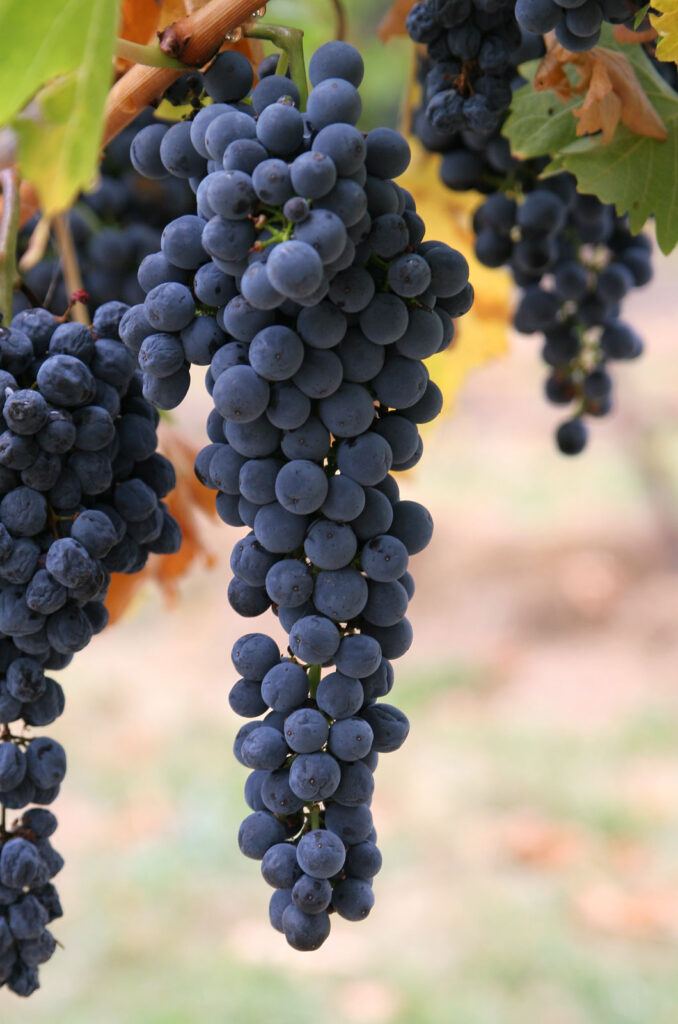
Concord and other slip-skin grapes are the classic choice, giving deep purple juice. Elderberries, currants, blackberries, raspberries, sour cherries, rhubarb, crabapples and apples all steam well. Fruit that is ripe but not overripe gives the best flavour. Steam juicing is less suited to citrus and very watery fruit like melons.
Frequently asked questions
Is steam-juiced juice cooked?
Yes. The juice is heated by the steam, so it tastes slightly cooked compared with cold-pressed juice. It is clearer and keeps well when properly preserved.
Do I need to add sugar?
Not for the juicer itself. Add sugar to taste when drinking, or as specified in a tested jelly or syrup recipe.
How much juice does a steam juicer make?
It depends on the fruit and how juicy it is. Grapes and berries give the most; apples give less and may need longer.