Some links are affiliate links: as an Amazon Associate we earn from qualifying purchases. See our affiliate disclosure.
The lid is what actually seals a canning jar, so it is worth getting right. This guide explains the two-piece lid system, regular vs wide-mouth sizes, reusable lids, and the storage lids you use once a jar is open.
Quick picks
- Regular-mouth canning lids: Ball Regular Mouth lids
- Wide-mouth canning lids: Ball Wide Mouth lids (4 dozen)
- Reusable canning lids: Tattler reusable regular lids
- Storage lids for opened jars: Ball leak-proof wide-mouth storage lids
How two-piece canning lids work
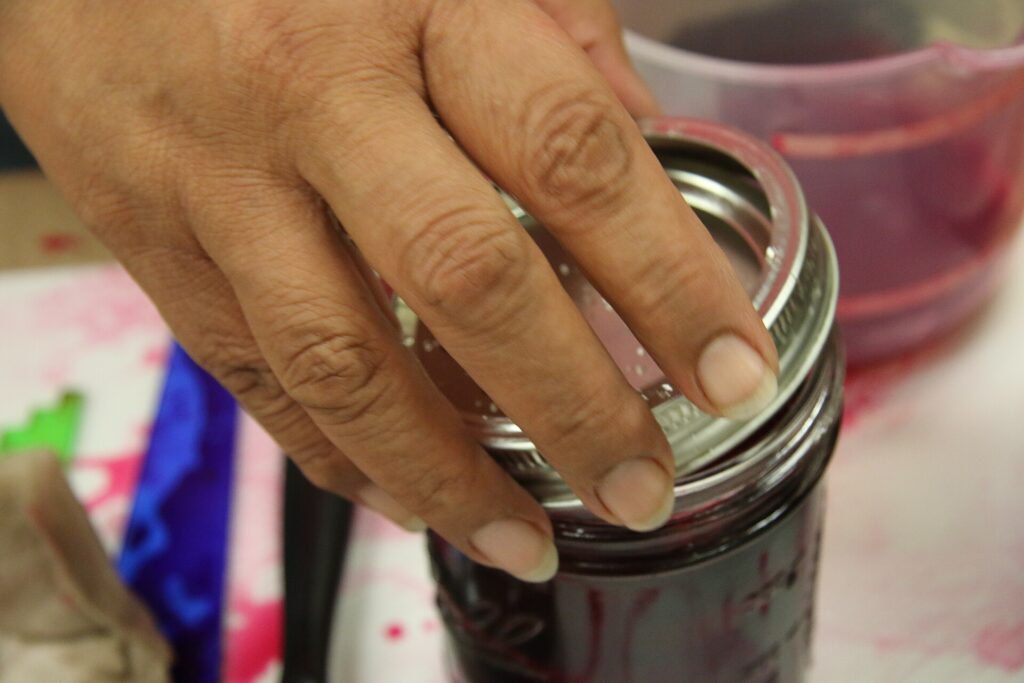
A standard canning lid has two parts: a flat metal lid with a ring of sealing compound on the underside, and a threaded screw band. During processing, air is pushed out of the jar. As it cools, a vacuum forms and pulls the lid down, and the sealing compound makes an airtight seal. You know it worked when the lid is curved down in the center and does not flex.

Single-use lids and reusable bands
The flat lids are made to seal once. After a jar is opened, the sealing compound is dented and may not seal reliably again, so use new flat lids each time you can. Bands and jars can be reused for years if they are not rusty, bent or chipped.
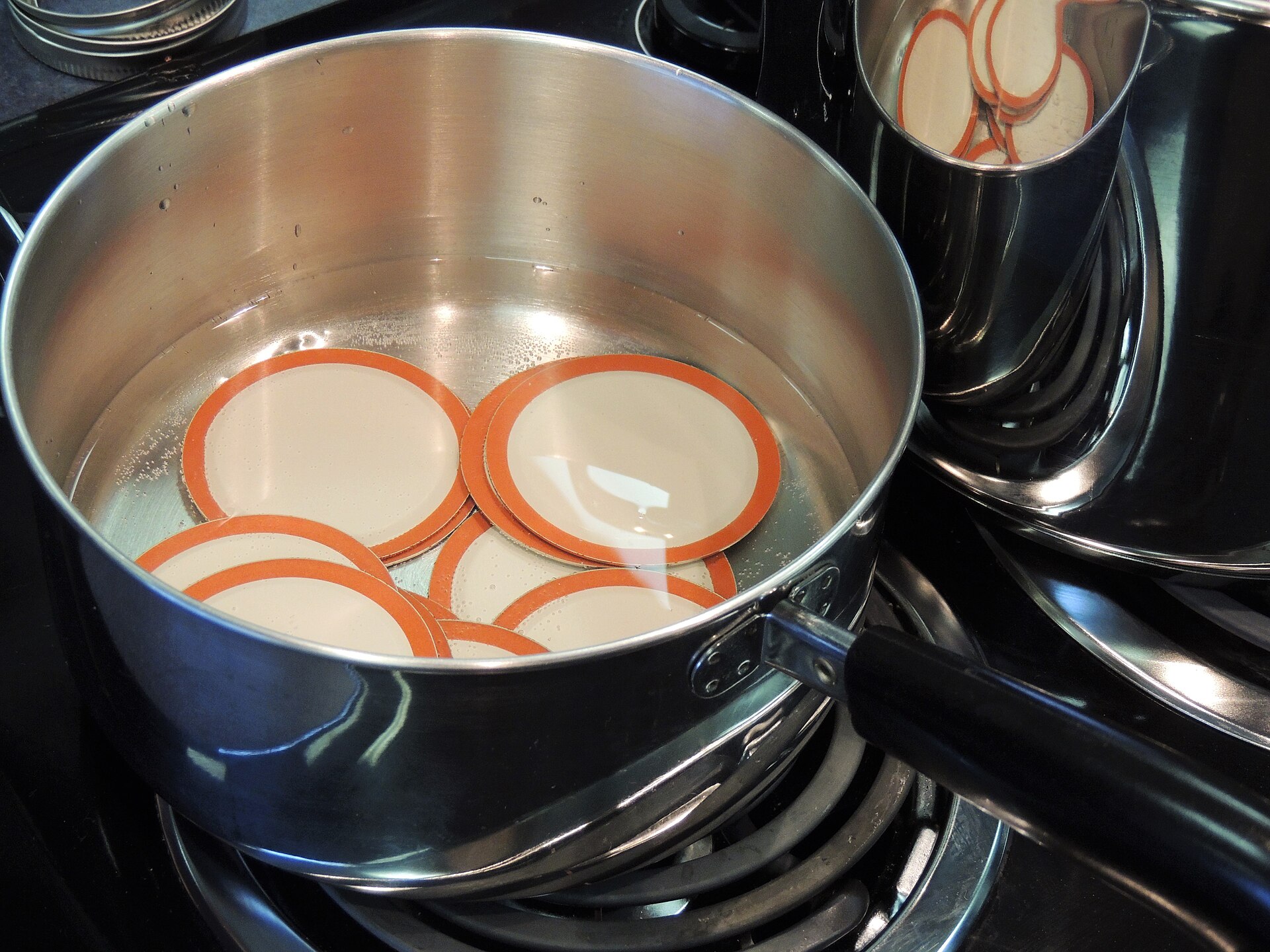
Follow the lid maker’s current instructions. Ball now says its lids do not need to be preheated before use. Older guides tell you to simmer lids, which is no longer necessary for Ball lids.
Regular mouth vs wide mouth
Regular-mouth lids are 70 mm and wide-mouth lids are 86 mm. Lids are not interchangeable between the two sizes, but they are interchangeable between Ball, Bernardin and Kerr jars of the same size. Buy the size that matches your jars; see our guide to canning jars.
Reusable canning lids
Reusable lids such as Tattler use a plastic lid and a separate rubber gasket. The lid can be reused indefinitely and the gaskets many times. They work differently from metal lids: follow the maker’s instructions for tightening before and after processing, because the technique matters for getting a seal. Reusable lids have not been tested by USDA, so many extension services suggest checking seals carefully.
Storage lids
Once a jar is open, a one-piece plastic lid like the Ball leak-proof storage lids is easier than a band and flat lid. These are for the fridge, freezer and pantry storage only; never use them for canning.

How to get a good seal every time
- Check jar rims for nicks and cracks.
- Leave the headspace your recipe calls for.
- Remove air bubbles with a thin spatula or headspace tool (included in the Starfrit canning set).
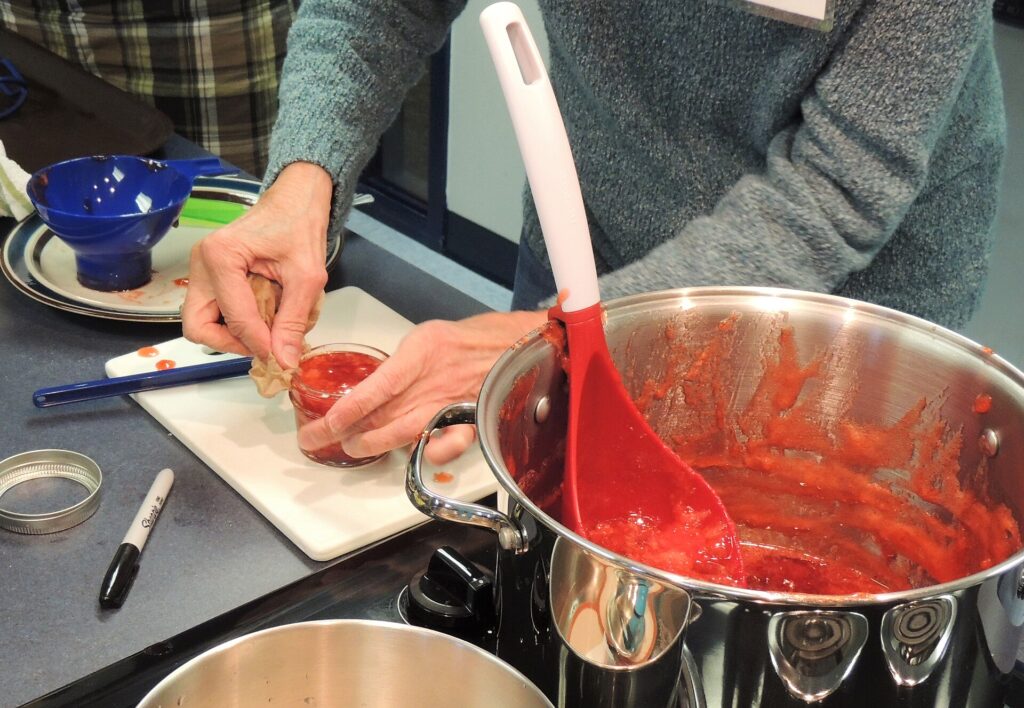
- Wipe the rims with a clean, damp cloth before adding the lids. Food or syrup on the rim is the most common cause of failed seals.
- Tighten bands only fingertip tight. Overtightening traps air; too loose lets liquid escape.
- Leave jars undisturbed for 12 to 24 hours after processing.
What to do with a jar that did not seal
Refrigerate it and use it within a few days, or reprocess within 24 hours with a new lid, using the full processing time.
FAQ
Can I reuse canning lids for dry storage?
Yes. Used lids are fine for storing dried food, beans or leftovers; just not for canning again.
Why did my lid pop or buckle?
Bands that are too tight can make lids buckle. A lid that later pops up means the seal failed, so do not eat the food.
Sources
- National Center for Home Food Preservation, Jars and Lids