Some links are affiliate links: as an Amazon Associate we earn from qualifying purchases. See our affiliate disclosure.
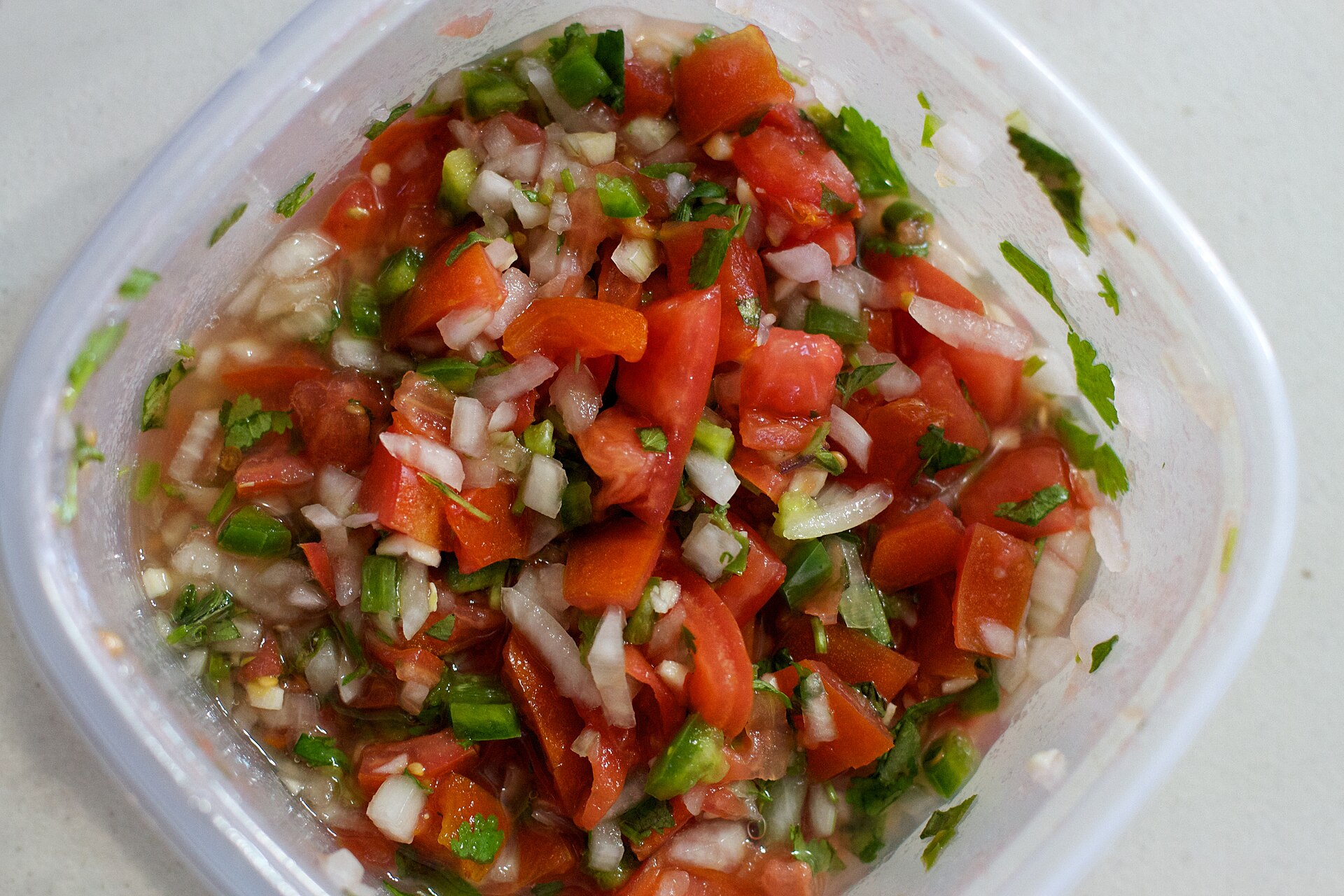
Homemade salsa is one of the most popular things to can, and also one of the easiest to get wrong. Salsa mixes acidic tomatoes with low-acid onions and peppers, so the only safe way to water bath can it is to follow a recipe that has been tested in a lab, and to keep the proportions exactly as written. This is the National Center for Home Food Preservation (NCHFP) recipe for tomato salsa made with paste tomatoes, which gives a thick, scoopable salsa.
Ingredients (makes about 16 to 18 pints)
- 7 quarts peeled, cored, chopped paste tomatoes (such as Roma)
- 4 cups seeded, chopped long green chiles (such as Anaheim)
- 5 cups chopped onion
- ½ cup seeded, finely chopped jalapeño peppers
- 6 cloves garlic, finely chopped
- 2 cups bottled lemon or lime juice
- 2 tablespoons salt
- 1 tablespoon black pepper
- 2 tablespoons ground cumin (optional)
- 3 tablespoons oregano leaves (optional)
- 2 tablespoons fresh cilantro (optional)
Wear rubber gloves when handling hot peppers, and do not touch your face.
Equipment
- A water bath canner, or a large pot with a rack, such as the Starfrit canning stockpot
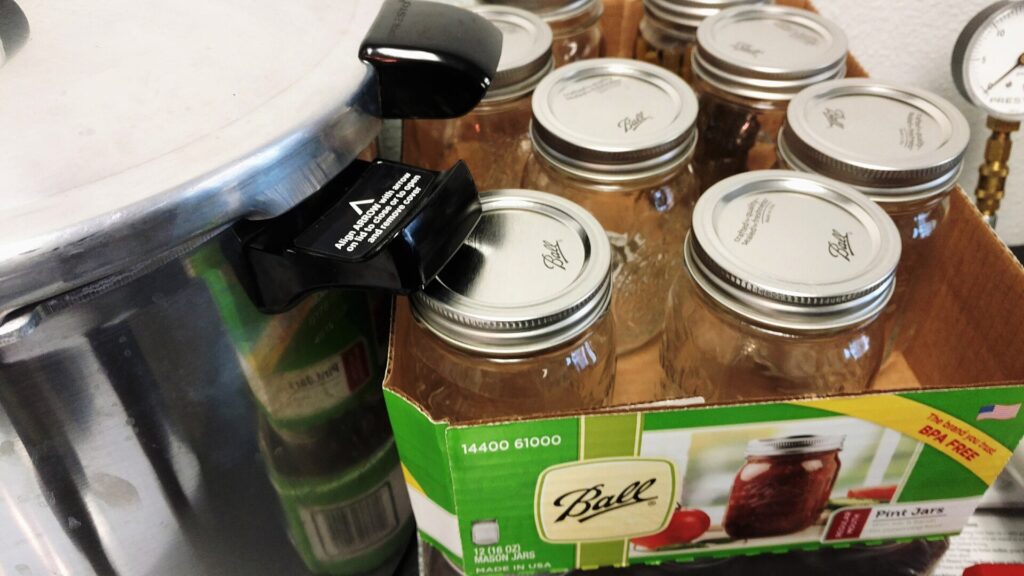
- Pint jars with new lids and bands, such as Ball regular-mouth pints
- A jar lifter, funnel and headspace tool, like the Starfrit canning set
Method
- Peel the tomatoes: dip them in boiling water for 30 to 60 seconds until the skins split, plunge them into cold water, slip off the skins and core them. Chop.
- Combine all the ingredients except the cumin, oregano and cilantro in a large pot.
- Bring to a boil, stirring frequently, then reduce the heat and simmer for 10 minutes.
- Add the spices and simmer for another 20 minutes, stirring often.
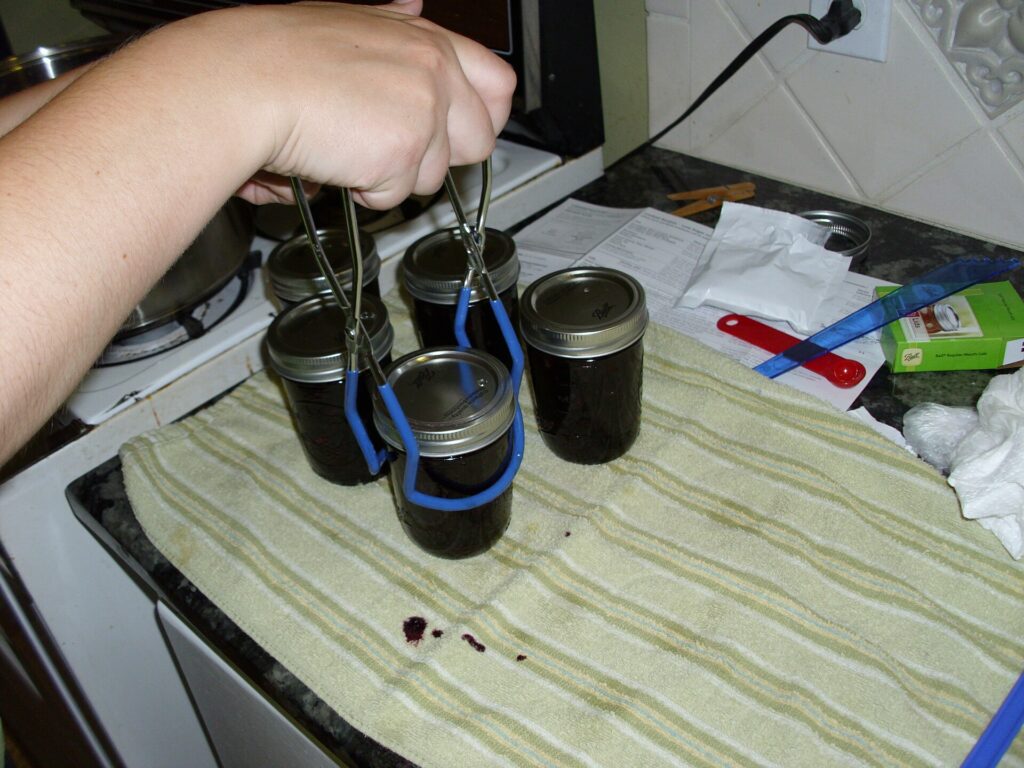
- Ladle the hot salsa into hot pint jars, leaving ½ inch of headspace. Remove air bubbles, wipe the rims and apply the lids and bands.
- Process in a boiling water canner.

Processing times (pints)
| Jar size | 0–1,000 ft | 1,001–6,000 ft | Above 6,000 ft |
|---|---|---|---|
| Pints | 15 min | 20 min | 25 min |
When time is up, turn off the heat, wait 5 minutes, then lift the jars out and let them cool undisturbed for 12 to 24 hours. Check the seals before storing.
Safe changes and unsafe changes
The acid in this recipe is calculated for these exact amounts of vegetables. These changes are safe:
- Using bottled lime juice instead of lemon juice.
- Swapping one kind of pepper for another (for example, more jalapeños and fewer green chiles), as long as the total amount of peppers stays the same.
- Leaving out or reducing the spices, cilantro and salt.
- Using slicing tomatoes instead of paste tomatoes; the salsa will just be thinner.
These changes are not safe for canning:
- Adding more onions, peppers, garlic or other vegetables than the recipe calls for.
- Reducing the lemon or lime juice.
- Adding corn, beans, mango, oil or thickeners like cornstarch.
- Canning salsa in quart jars.
If you want a salsa with corn, beans or extra vegetables, make it fresh and refrigerate or freeze it instead. You can also add those extras when you open a jar.

Tips for better canned salsa
Paste tomatoes have less water, so they give a thicker salsa. If your salsa is watery, drain the chopped tomatoes in a colander for 30 minutes before cooking. Do not thicken salsa with flour or cornstarch before canning; thicken it after opening if you like. For more tested salsa and preserve recipes, the Ball Complete Book of Home Preserving is a good reference to keep in the kitchen. Our guide to canning tomatoes covers plain tomatoes and sauce.
FAQ
Can I use fresh lime juice?
No. Use bottled lemon or lime juice, which has a consistent acidity. Fresh juice varies.
Can I water bath any salsa recipe?
No. Only salsa recipes that have been tested for safety should be canned. Untested recipes may not be acidic enough.
How long does home-canned salsa last?
Use it within a year for best quality. Refrigerate after opening.
Sources
- National Center for Home Food Preservation, Tomato Salsa with Paste Tomatoes
- NCHFP, Salsa Ingredients and Safe Substitutions