Some links are affiliate links: as an Amazon Associate we earn from qualifying purchases. See our affiliate disclosure.
Many canning guides tell you to sterilize every jar, but current USDA guidance is simpler: you only need to sterilize jars for foods that are processed for less than 10 minutes. For everything else, clean hot jars are enough because the processing itself sterilizes them. This guide explains when sterilizing is required, the right way to do it, and how to keep jars ready for filling.
Do you need to sterilize canning jars?
| Recipe | Sterilize empty jars? |
|---|---|
| Water bath processing time under 10 minutes (some jams, jellies) | Yes |
| Water bath processing time of 10 minutes or more | No, clean hot jars are fine |
| Pressure canning (vegetables, stock, meat) | No, clean hot jars are fine |
The reason is simple: during processing, the contents and the jar reach the same temperature for the full time. Ten minutes or more in boiling water, or any time in a pressure canner, kills the yeasts, molds and bacteria on the jar. Short-processed jams are the exception, which is why many jam recipes call for sterilized jars.
How to sterilize canning jars (step by step)

- Inspect each jar and run a finger around the rim. Discard any with chips or cracks.
- Wash jars in hot soapy water or the dishwasher and rinse well.
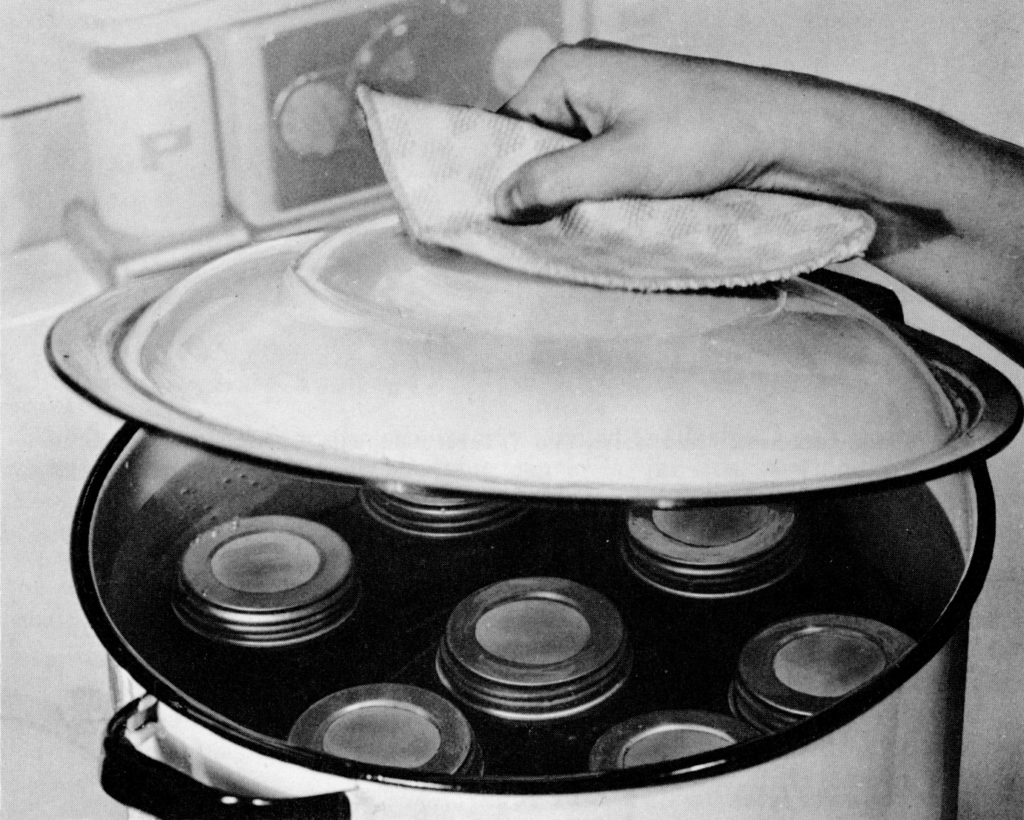
- Load the canner. Set the empty jars right side up on the rack in your water bath canner, such as the Starfrit canning stockpot with rack, and fill the canner and the jars with hot water until the water is 1 inch above the jars.
- Boil for 10 minutes at altitudes up to 1,000 feet. Add 1 more minute for each additional 1,000 feet of elevation.
- Keep them hot. Turn the heat down and leave the jars in the hot water until you are ready to fill them.
- Remove and fill one jar at a time with a jar lifter, emptying the water back into the canner. Fill while the jar is still hot.
Using the canner to sterilize means the water is already hot when you load your filled jars, which saves time.
Keeping jars hot when you do not need to sterilize
For recipes processed 10 minutes or longer, wash the jars and keep them hot until filling. Any of these work:
- Keep them in the water bath canner as the water heats.
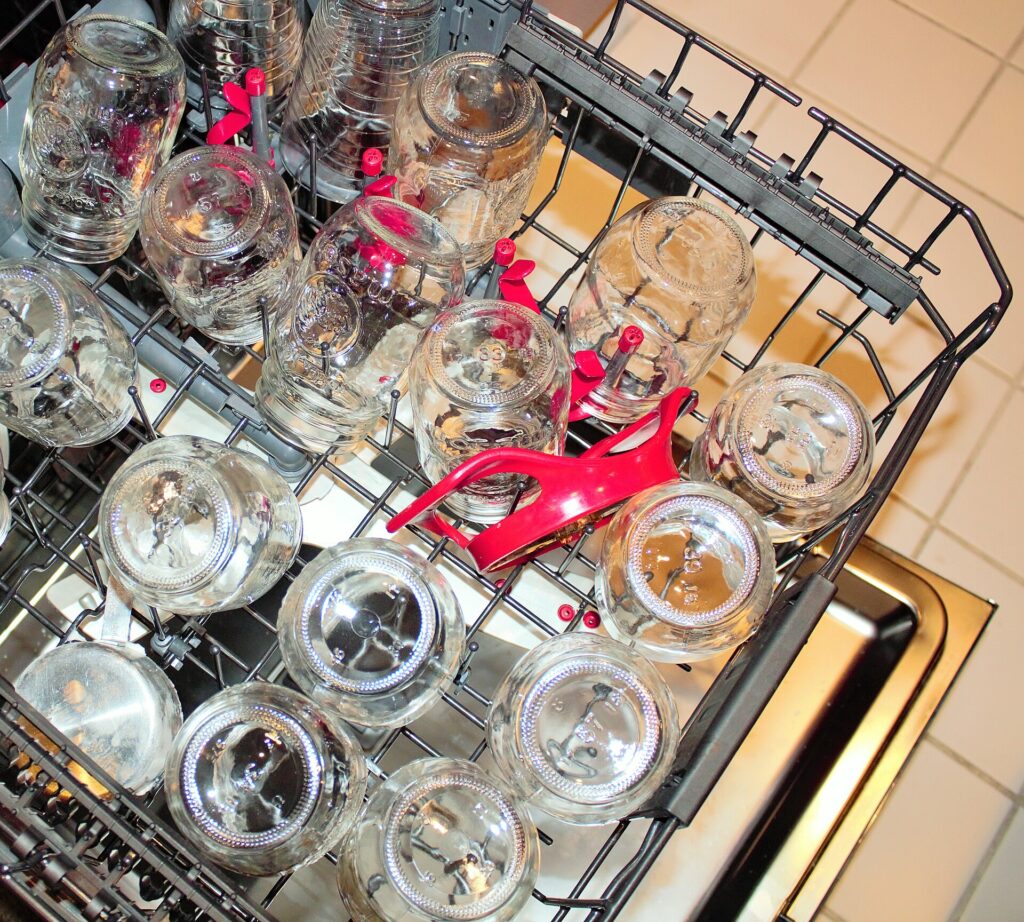
- Run them through the dishwasher and leave them in the closed dishwasher until needed. A dishwasher cleans and warms jars but does not sterilize them.
- Keep them in a sink of hot water.
Hot jars matter because putting hot food into a cold jar, or a cold jar into boiling water, can crack the glass.

What about lids and bands?
You do not need to sterilize lids or bands. Wash them in warm soapy water. Follow the lid manufacturer’s current directions for preparing lids. Ball says its current lids do not need to be heated before use.
Methods to avoid
- Oven sterilizing. Dry oven heat is uneven, does not sterilize reliably and can weaken or crack jars. USDA does not recommend it.
- Microwave sterilizing. Not a tested method for canning jars.
- Steam from a kettle or a quick rinse in boiling water. Neither is long enough to sterilize.
Tools that make it easier
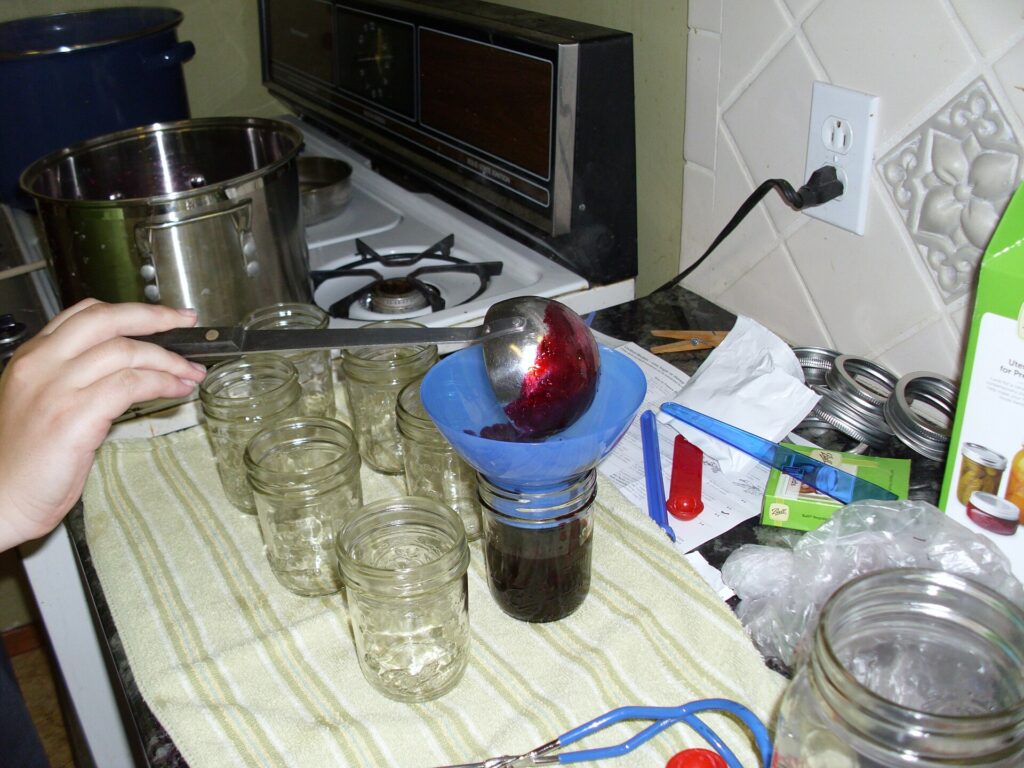

A good jar lifter is essential for pulling hot jars out of boiling water safely, and a wide-mouth funnel keeps rims clean when you fill. The Starfrit 6-piece canning set covers both. For the full list, see our canning supplies checklist.
FAQ
Do I need to sterilize jars for pickles?
Only if the tested recipe processes the jars for less than 10 minutes. Most pickle recipes process for 10 minutes or more, so clean hot jars are fine.
Do I need to sterilize jars for pressure canning?
No. Pressure canning reaches about 240°F, which sterilizes the jars during processing.
Can I sterilize jars in the dishwasher?
A dishwasher cleans and preheats jars but does not reach sterilizing conditions. That is fine for recipes processed 10 minutes or longer; for shorter processes, boil the jars for 10 minutes.
Next steps
Ready to fill your jars? Try canning peaches or canning tomatoes in a water bath, and read our guide to the best canning jars.
Related guides: Blueberry jam · Apple butter
Sources
- National Center for Home Food Preservation, Sterilization of Empty Jars
- USDA Complete Guide to Home Canning, Principles of Home Canning