Updated November 2026. Some links are affiliate links: as an Amazon Associate we earn from qualifying purchases.
Cherry season is short, and anyone who has pitted a few pounds of cherries with a paring knife knows how slow and messy it is. A cherry pitter pushes the stone out cleanly while leaving the fruit mostly whole, which makes freezing, drying, baking and jam-making far quicker. Most also work on olives.
These are our picks from Amazon.ca, chosen on design and buyer reviews. We have not lab-tested them ourselves.
Quick picks
- Best handheld: OXO Good Grips Cherry & Olive Pitter, a comfortable, well-reviewed classic with a splatter shield
- Best for batches: EddHomes Cherry Pitter, a highly rated pitter for larger quantities (check the listing for capacity)
The best cherry pitters
1. OXO Good Grips Cherry & Olive Pitter: best handheld
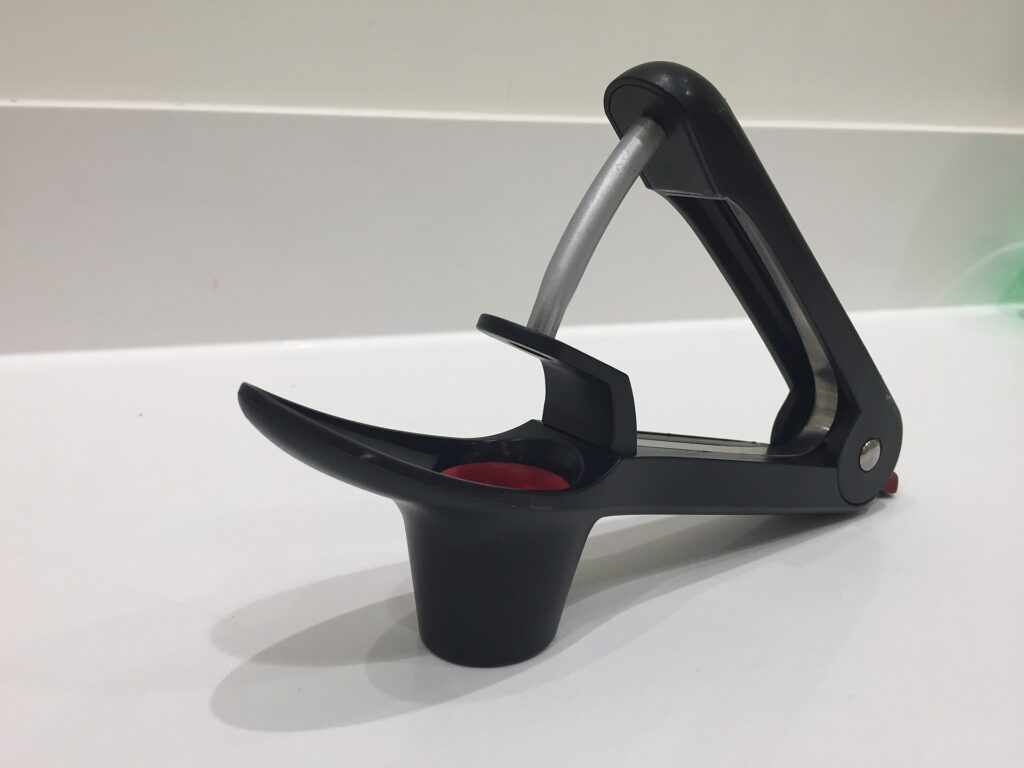
OXO’s plunger-style pitter works like a hole punch: drop a cherry into the cup, squeeze, and the stone pops out. A removable splatter shield keeps juice off your hands and counter, and the soft handle is comfortable for longer sessions. It is easy to clean and store, and it works on olives too.
Check the OXO cherry pitter on Amazon.ca →
2. EddHomes Cherry Pitter: best for batches
If you regularly process a lot of cherries for canning, freezing or drying, a pitter designed for batches saves time over a one-at-a-time handheld. EddHomes’ pitter has thousands of strong reviews on Amazon.ca. Check the listing for the exact design and how many cherries it handles at once.
Check the EddHomes cherry pitter on Amazon.ca →
Comparison
| Pitter | Style | Best for |
|---|---|---|
| OXO Good Grips | Handheld plunger | Small batches, olives, easy storage |
| EddHomes | Batch pitter | Larger harvests |
Ways to preserve cherries
- Freezing: the simplest method. Spread pitted cherries on a tray to freeze, then transfer them to bags or containers so they do not clump.
- Drying: halved, pitted cherries dry into chewy, sweet snacks in a food dehydrator.
- Canning: cherries can be canned in syrup using a tested recipe from the National Center for Home Food Preservation or a Ball guide. Follow the recipe exactly for headspace and processing time.
- Jam: use a tested cherry jam recipe; sweet cherries are low in pectin, so tested recipes usually call for added pectin and lemon juice.
Tips for pitting cherries
- Wash and stem the cherries first, and chill them; cold, firm cherries pit more cleanly.
- Work over a bowl or inside a deep pan to catch the juice.
- Wear an apron and dark clothes: cherry juice stains. Treat any splashes promptly with cold water and a stain remover.
- Check a few cherries from each batch to make sure the stones are coming out, especially if you are making jam or baking for children.
- Save the pits if you like: some cooks use them to flavour vinegar or syrups, following a trusted recipe.
What to look for
- Volume: handheld pitters suit a bowl at a time; batch pitters suit a whole harvest.
- Splatter control: a shield or enclosed design keeps juice contained.
- Cherry size: some pitters struggle with very small or very large cherries; check reviews.
- Cleaning: look for parts that come apart and are dishwasher-safe.
Choosing and storing cherries
For preserving, pick cherries that are fully ripe, firm and glossy, with green stems still attached. Sweet cherries such as Bing and Rainier are best for eating, freezing and drying, while sour (pie) cherries such as Montmorency are prized for pies and preserves because of their bright, tart flavour. Avoid soft, split or bruised fruit, which spoils quickly and can affect the quality of the whole batch.
Fresh cherries do not ripen further after picking and keep best unwashed in the refrigerator, loosely covered, for a few days. Wash them just before pitting, since moisture on stored cherries encourages mould. If you cannot process a large harvest at once, pit and freeze part of it straight away and deal with the rest over the following days.
Cherries on the North Coast
Cherries are an early-summer crop, and their season is short. Check local orchards and farmers markets from late spring into early summer, and ask growers when their main harvest is expected so you can plan a preserving day. Our Humboldt County farmers markets guide lists market days and locations.
Frequently asked questions
Do cherry pitters work on olives?
Most handheld pitters, including the OXO, are designed for both cherries and olives.
Can I pit cherries without a pitter?
Yes: push a sturdy straw, chopstick or the narrow end of a piping tip through the stem end. It works, but is slower and messier for large amounts.
Do pitters work on sour cherries?
Yes. Sour cherries are smaller and softer, so pit gently and expect a little more juice.