Updated November 2026. Some links are affiliate links: as an Amazon Associate we earn from qualifying purchases.
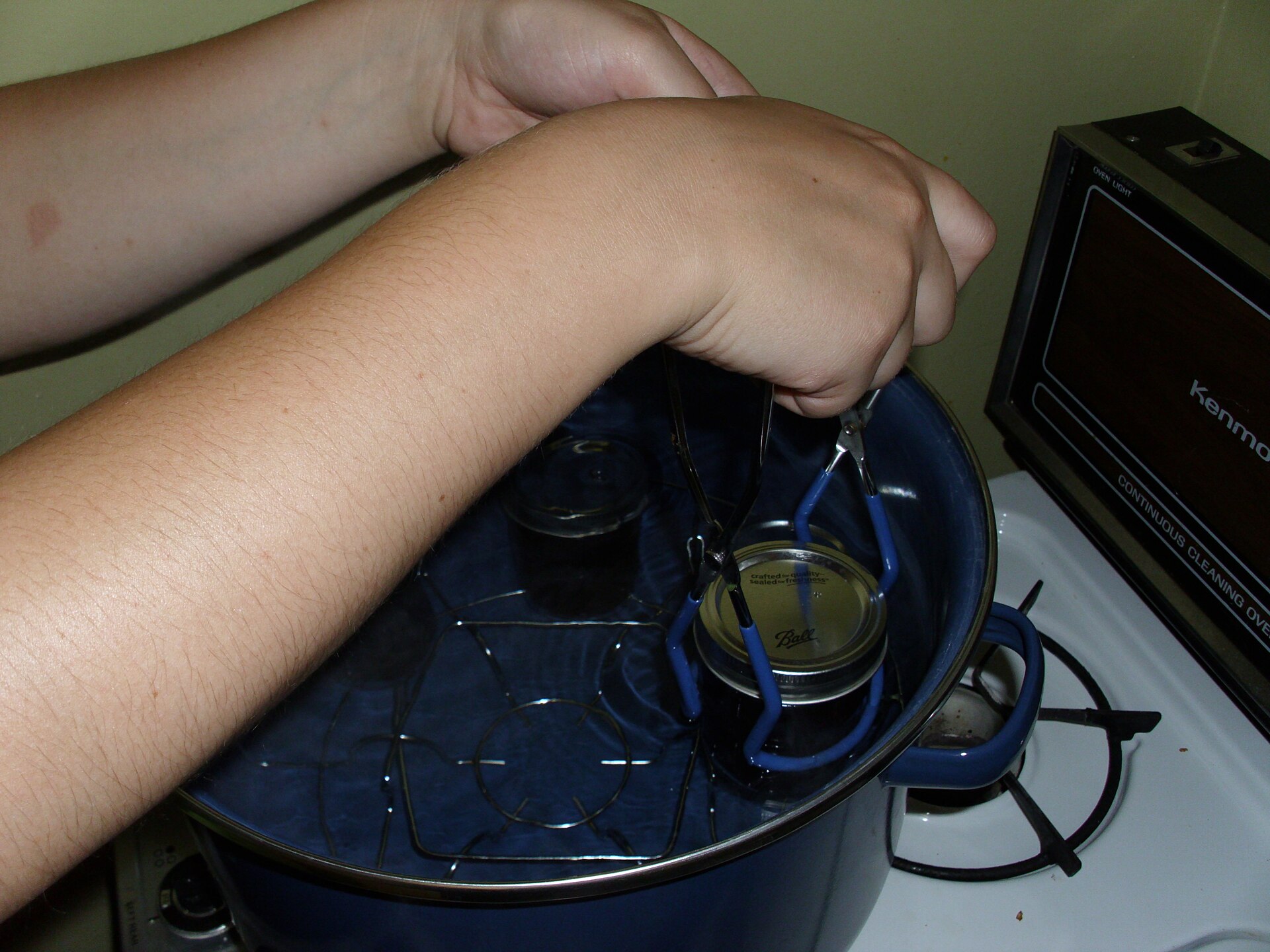
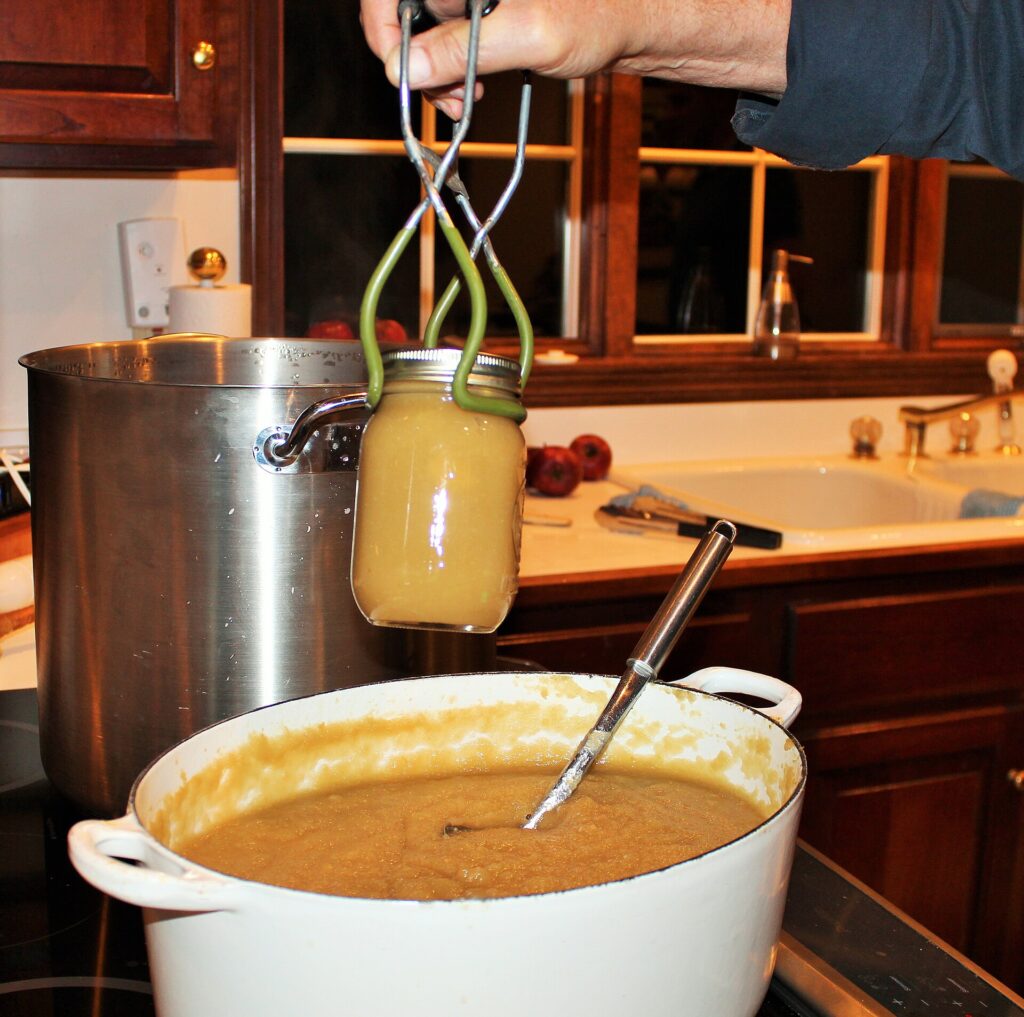
A jar lifter is the one canning tool you should never skip. Jars coming out of a boiling water bath, steam canner or pressure canner are extremely hot, wet and slippery, and kitchen tongs or oven mitts are not designed to hold them securely. A proper jar lifter has curved, rubber-coated jaws that grip the neck of the jar so you can lift it straight up and out without tipping it, which protects both you and the seal.
These are our picks from Amazon.ca, chosen on grip design and buyer reviews. We have not lab-tested them ourselves.
Quick picks
- Best overall: Rainspire Canning Jar Lifter, very highly rated with a secure grip
- Best budget: Starfrit Canning Jar Lifter, a simple, inexpensive lifter from a Canadian brand
- Best starter kit: SUPA ANT Canning Supplies Kit, a jar lifter plus other essential canning tools
The best canning jar lifters
1. Rainspire Canning Jar Lifter: best overall
Rainspire’s lifter is one of the highest-rated on Amazon.ca. Its coated jaws are shaped to grip regular and wide-mouth jars, and the handles are designed for a firm, controlled hold. A good choice if you can often and want a lifter you can rely on.
Check the Rainspire jar lifter on Amazon.ca →
2. Starfrit Canning Jar Lifter: best budget
Starfrit, a Quebec-based kitchenware brand, makes a simple, easy-grip jar lifter at a low price. It does the essential job well and is a sensible spare to keep with your canning gear.
Check the Starfrit jar lifter on Amazon.ca →
3. SUPA ANT Canning Supplies Kit: best starter kit
If you are just starting out, a kit is better value than buying tools one at a time. SUPA ANT’s set includes a jar lifter along with other canning essentials and has thousands of strong reviews. Check the listing for the exact contents.
Check the SUPA ANT canning kit on Amazon.ca →
Comparison
| Product | Type | Best for |
|---|---|---|
| Rainspire | Jar lifter | Frequent canners |
| Starfrit | Jar lifter | Budget, spare lifter |
| SUPA ANT kit | Lifter plus tools | Beginners |
How to use a jar lifter safely
- Turn off the heat and wait for the time your tested recipe specifies before removing jars.
- Grip the jar below the screw band, around the neck, with the jaws fully closed.
- Lift the jar straight up, keeping it upright. Do not tilt it to pour off water on the lid; tilting can disturb the seal.
- Set the jar down on a towel or wooden board, not a cold counter, with space between jars.
- Leave jars undisturbed to cool, and check the seals once they are completely cool.
Other canning tools worth having
- Wide-mouth funnel: keeps rims clean so lids seal properly.
- Headspace tool and bubble remover: for measuring headspace accurately and releasing trapped air.
- Magnetic lid lifter: handy for lifting lids out of warm water.
- Timer and a notebook: for recording batches, dates and processing times.
For a full list, see our guide to canning supplies, and our reviews of the best water bath canners and best pressure canners.
What to look for in a jar lifter
- Coated jaws: rubber or silicone coating grips wet glass and protects jars from chipping.
- Fit: make sure it grips both regular and wide-mouth jars, and half-pints as well as quarts.
- Spring or hinge action: a smooth action makes it easier to grab jars one-handed.
- Heat-safe handles: handles should stay cool and offer a firm grip.
Frequently asked questions
Can I use kitchen tongs instead of a jar lifter?
It is not recommended. Tongs are not shaped to grip a round, wet jar, and a dropped jar of boiling food can cause serious burns.
Why should I not tilt jars when lifting them?
Tilting can let hot contents touch the lid and seal area, which may cause seal failure or siphoning. Lift straight up and set jars down upright.
Is a jar lifter safe for pressure canning?
Yes. Use it once the canner has depressurised and the lid has been removed, following your canner’s instructions and the tested recipe.