Some links are affiliate links: as an Amazon Associate we earn from qualifying purchases. See our affiliate disclosure.
Home canning does not need a kitchen full of gadgets, but a few pieces of equipment make it safer and much easier. This checklist covers everything you need to start water bath canning (jams, pickles, salsa, tomatoes and fruit) and what you add later for pressure canning (vegetables, soups, stock and meat). We link our picks on Amazon where a specific product helps.
Canning supplies checklist
| Item | Needed for | Our pick | |
|---|---|---|---|
| Water bath canner with rack (or a deep stockpot plus rack) | Jams, pickles, tomatoes, fruit | {A:B0FCMPCJVQ | Starfrit 19.9 L canning stockpot with rack} |
| Pressure canner | Green beans, corn, soups, stock, meat | {A:B07PYLD742 | Presto 23-quart} |
| Canning jars | Everything | {A:B0GQCSM6HQ | Ball regular-mouth pints} |
| New flat lids and screw bands | Everything | {A:B07NZXDZF7 | Ball regular-mouth lids} |
| Jar lifter, funnel and lid lifter | Everything | {A:B0D1DPN848 | Starfrit 6-piece canning set} |
| Headspace tool or bubble remover | Everything | Usually included in canning tool sets | |
| Bottled lemon juice or citric acid | Tomatoes | {A:B0C5NQM8S1 | Viva Doria food-grade citric acid} |
| Canning and pickling salt | Pickles, sauerkraut | {A:B00GZCEZ4O | Morton Canning and Pickling Salt} |
| Tested recipes | Everything | USDA, NCHFP, extension services or Ball |
1. A water bath canner
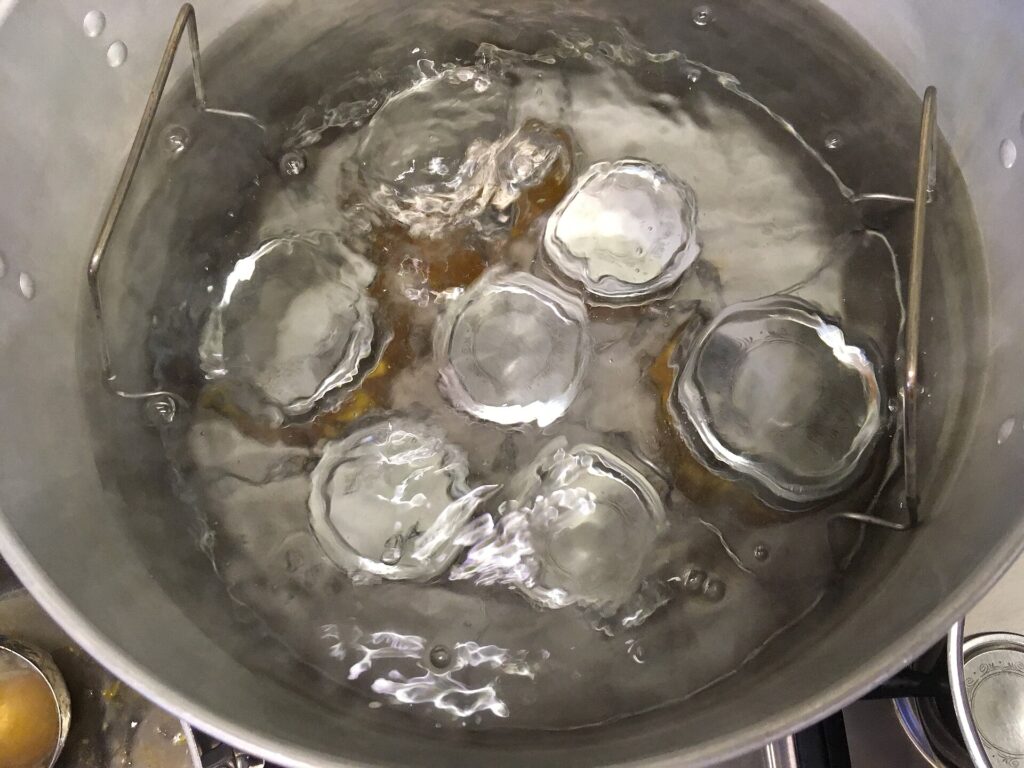

A water bath canner is simply a pot deep enough to cover your jars with at least 1 inch of boiling water, plus a rack that keeps the jars off the bottom. You can buy a purpose-made canner like the Starfrit canning stockpot with rack and lid, or use any large stockpot you already own with a fitted rack. Make sure the pot is deep enough for the tallest jars you plan to use, with room for the water to boil without spilling over.
Water bath canning is safe only for high-acid foods: most fruits, jams and jellies, pickles, and tomatoes with added acid. Everything else needs a pressure canner.
2. A pressure canner (for low-acid foods)
Vegetables, beans, soups, stock, meat and fish are low-acid foods. They must be processed in a pressure canner to reach about 240°F. If you plan to can green beans or stock, read our guide to the best pressure canners. A large pressure canner also doubles as a water bath canner, so it can be your only canner.
3. Canning jars
Use real canning jars (Ball, Kerr, Bernardin or similar) made to handle repeated heating, not repurposed commercial jars. Pints and half-pints cover most recipes; quarts are for whole tomatoes, peaches and pickles. Jars are reusable for years as long as the rims are free of chips and cracks. Our guide to the best canning jars explains sizes and regular vs wide mouth.
4. Lids and bands
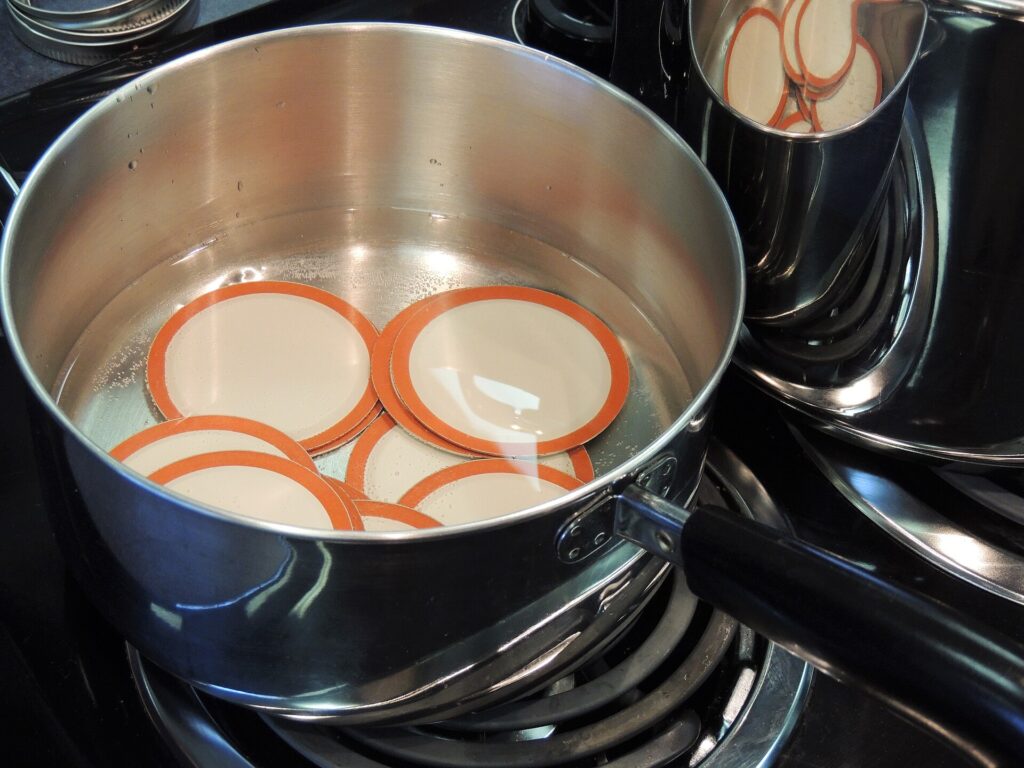

Two-piece canning lids have a flat lid with a sealing compound and a screw band. The bands can be reused; the flat lids are single-use for canning, so buy fresh Ball regular-mouth lids each season. Follow the manufacturer’s current instructions for preparing lids. Ball now says its lids do not need to be heated before use, though older guides tell you to simmer them.
5. Jar lifter, funnel and small tools
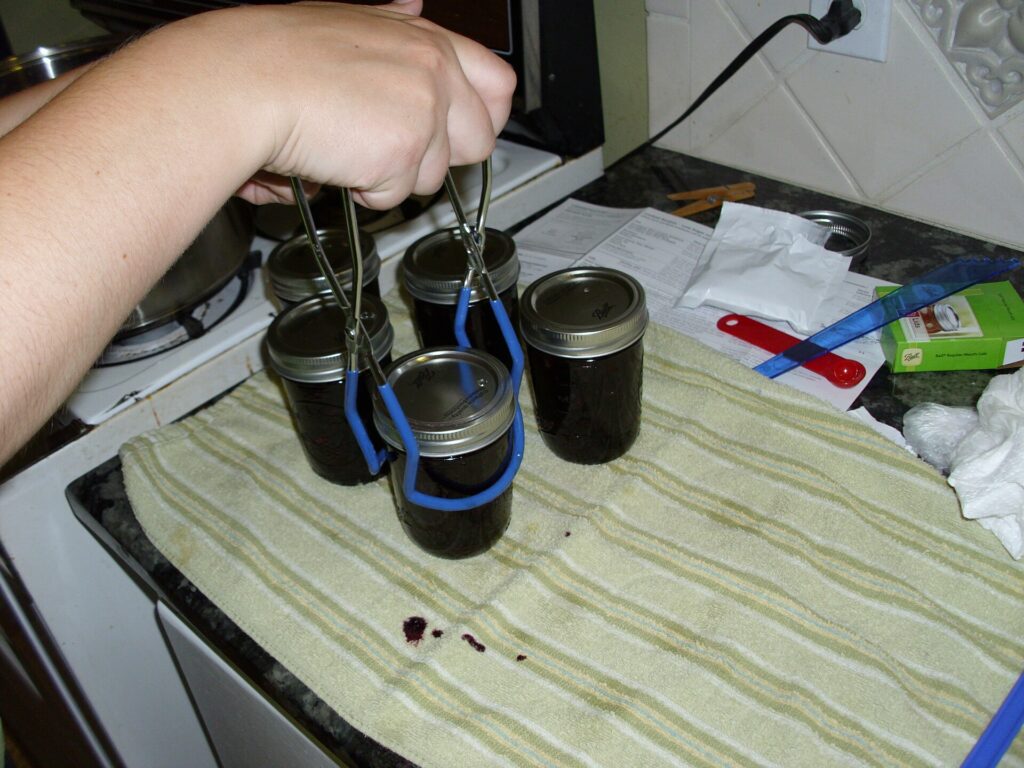

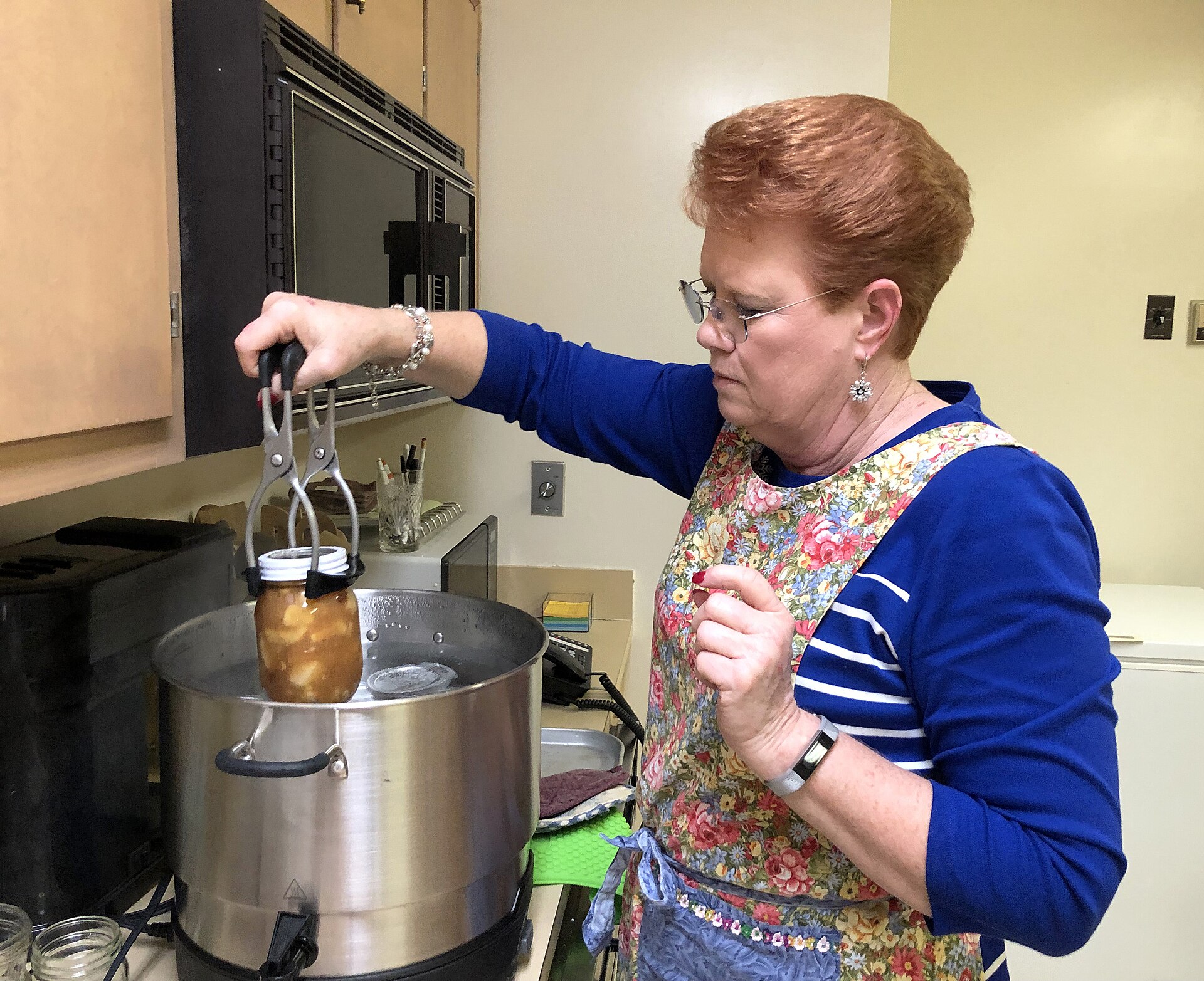
A jar lifter is the one tool you really cannot improvise. It grips hot jars securely so you can lift them straight up out of boiling water without tilting. A wide-mouth canning funnel keeps rims clean when you fill jars, which matters because food on the rim can stop the lid from sealing. A set like the Starfrit 6-piece canning set gives you a jar lifter, funnel and lid tools in one purchase. Add a headspace tool or a thin plastic spatula for removing air bubbles.
6. Acid, salt and other ingredients
Tested tomato recipes require added acid: bottled lemon juice or citric acid, because tomatoes vary in acidity. See our guide to canning tomatoes for amounts. For pickles and sauerkraut, use pure canning and pickling salt such as Morton Canning and Pickling Salt; table salt contains anti-caking agents that can cloud brine.
7. Nice-to-haves
- A food mill such as the OXO Good Grips Food Mill for smooth tomato sauce and applesauce without peeling.
- A kitchen timer you can hear across the room.
- Clean towels to set hot jars on (not a cold counter).
- Labels or a marker for the contents and date.
- A large ladle and a wide, heavy pot for jams and sauces.
Beginner’s first batch
If you are new to canning, start with a water bath recipe such as canned peaches or tomatoes. You will need a canner, jars, new lids, a jar lifter and a funnel. Once you are comfortable, move on to a pressure canner and green beans.
FAQ
Can I reuse canning lids?
No. The flat lids are designed to seal once. Reuse bands and jars, but use new flat lids every time you can.
Do I need to sterilize jars?
Only for foods processed less than 10 minutes. Our guide to sterilizing canning jars explains when and how.
Can I use a regular stockpot instead of a canner?
Yes, for water bath canning, if it is deep enough to cover the jars by at least 1 inch and you put a rack in the bottom. You cannot substitute a stockpot or a small pressure cooker for a pressure canner.
Related guides: Best water bath canners · Canning lids · Canning salt
Sources
- National Center for Home Food Preservation, How Do I Can?
- USDA Complete Guide to Home Canning, Principles of Home Canning