Updated November 2026. Some links are affiliate links: as an Amazon Associate we earn from qualifying purchases. See our affiliate disclosure.
For most home preservers, a food dehydrator is the better buy: it costs a small fraction of a freeze dryer, sits on the counter, and dries fruit, vegetables, herbs and jerky well for storage of roughly 4 months to a year. A home freeze dryer makes sense only if you want long-term storage of whole meals and dairy, will run it often, and can live with a multi-thousand-dollar machine that weighs 139–253 lb and takes 20–40 hours per batch.
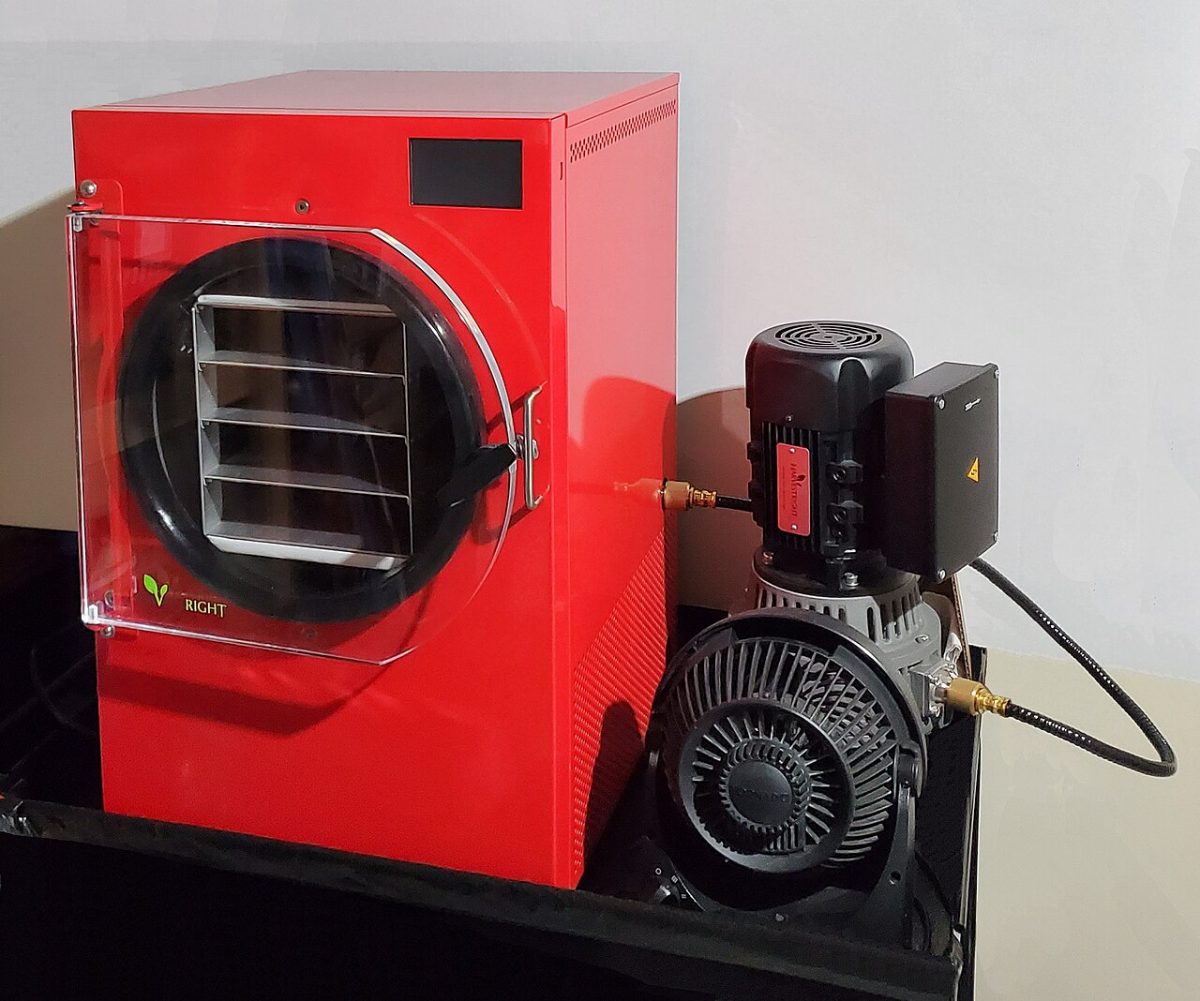
Both machines remove water so microbes can’t grow, but they work in very different ways. A dehydrator blows warm air over food until most of the water evaporates. A freeze dryer freezes food hard, then pulls a vacuum so the ice turns straight to vapour (sublimation), leaving food that keeps its shape and rehydrates almost like fresh. The figures below come from Utah State University (USU) and University of Minnesota (UMN) Extension and the National Center for Home Food Preservation (NCHFP).
Freeze dryer vs dehydrator: the short answer
- Choose a dehydrator if you want to dry garden produce, make fruit leather, apple rings, herbs or jerky, and store it for months.
- Choose a freeze dryer if you want shelf-stable cooked meals, dairy, or emergency food storage measured in years, and the cost and space are not a problem.
- Many households use both: a dehydrator for everyday snacks and a freeze dryer shared with family or a community group.
How much does each cost?
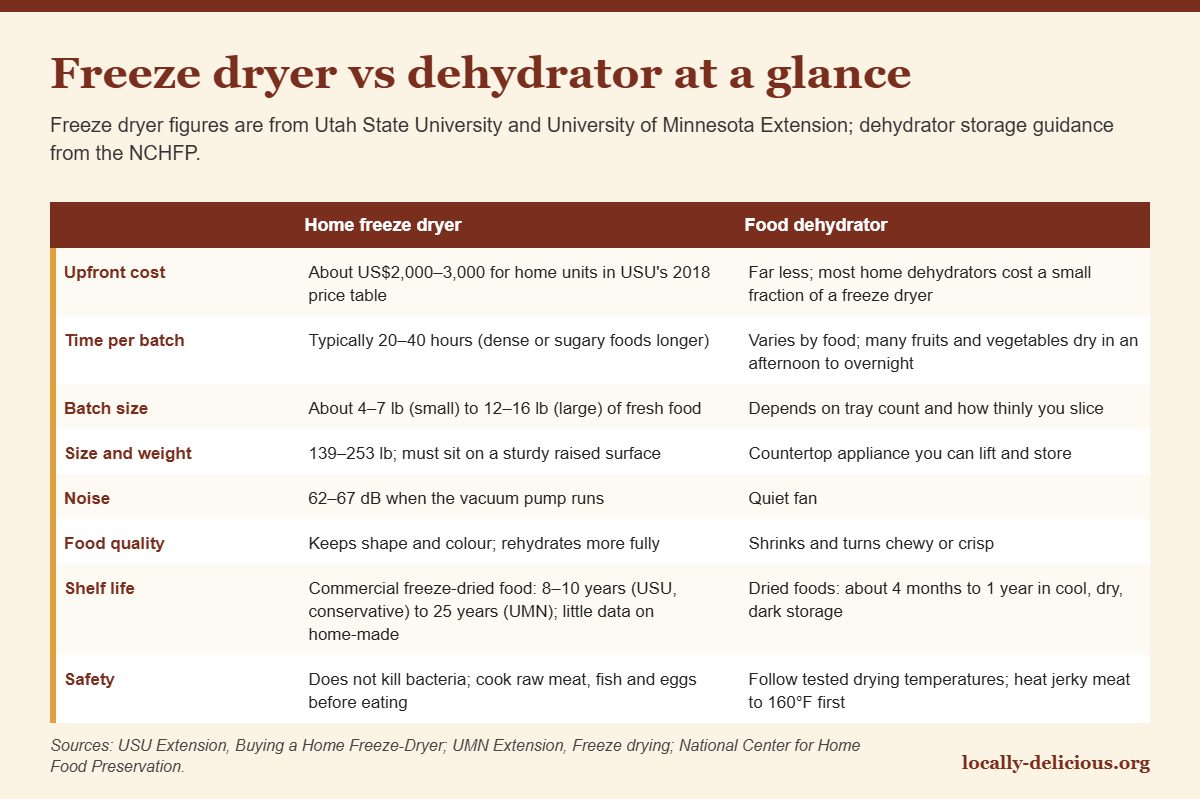
In USU Extension’s comparison, one manufacturer’s home freeze dryers were listed at $1,995 (small), $2,395 (medium) and $2,995 (large), and USU notes small commercial units run past $10,000. Those were 2018 US prices, so check current pricing. Running costs add up too: USU estimated $2 to $5 of electricity per batch, plus vacuum pump oil (from about $20 a gallon, which can be filtered and reused) or the extra cost of an oil-free pump, and Mylar bags with oxygen absorbers for storage.
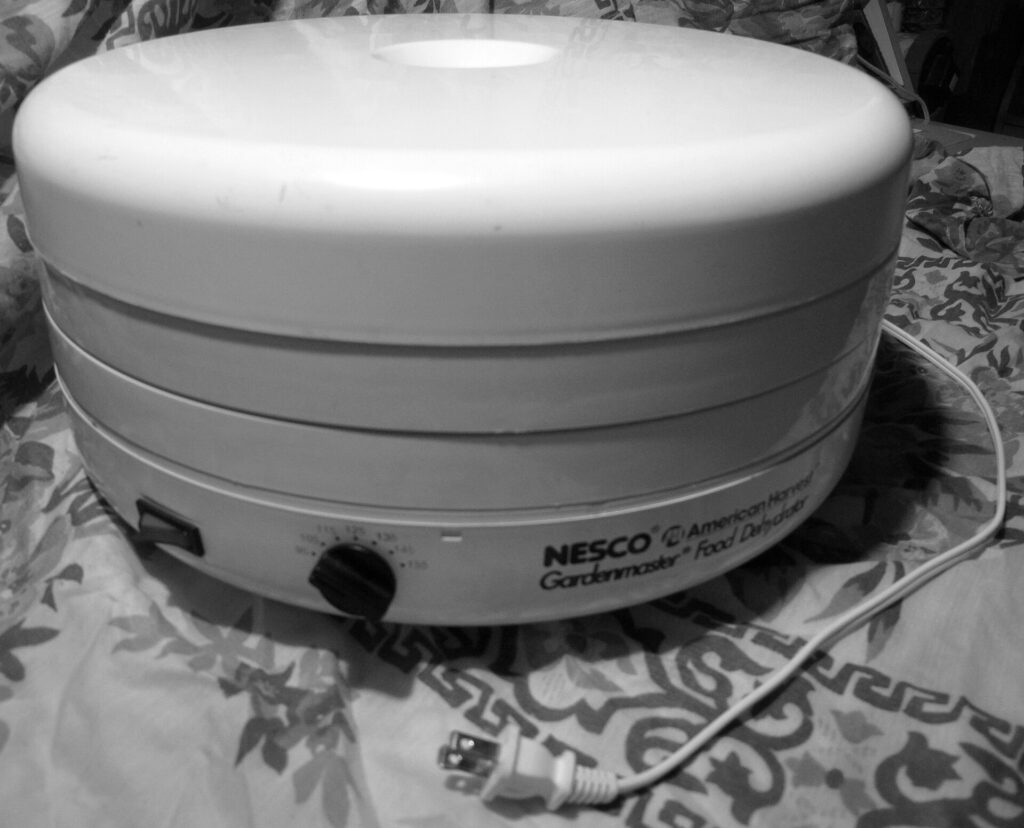
A dehydrator is a countertop appliance. Our best food dehydrator guide picks, such as the Nesco FD-75A (Amazon) and the 6-tray Cosori stainless steel dehydrator (Amazon), cost a small fraction of a freeze dryer and use far less electricity per batch.

Time, capacity and space
A freeze dryer is slow and large. USU puts typical batch time at 20 to 40 hours, longer for dense or high-sugar foods; fresh pineapple can take 48 to 52 hours. Manufacturer capacity figures in USU’s table run from about 4–7 lb of fresh food per batch for a small unit to 12–16 lb for a large one. The machines weigh 139 lb (small) to 253 lb (large), need to sit on a sturdy raised surface so the drain hose and pump are accessible, work best in a room between 45°F and 80°F, and make 62–67 dB of noise while the vacuum pump runs.
A dehydrator dries most sliced fruit and vegetables in hours rather than days, and you can run several loads in the time one freeze-dryer batch takes. It is light enough to store in a cupboard between seasons.
Food quality and what each does best
Freeze-dried food keeps its shape, colour and much of its flavour, and USU notes it rehydrates more fully than dehydrated food. That makes freeze dryers good for whole cooked meals, soups, cooked meats, cheese and yogurt drops, and fruit you want crunchy and light.
Dehydrated food shrinks and becomes chewy or crisp, which is exactly what you want for dried apple rings, dried orange slices, strawberries and beef jerky. It is the traditional, well-researched method, with tested NCHFP guidance for most fruits, vegetables and jerky.
Neither suits everything. UMN Extension says home freeze dryers are not well suited to foods high in fat or sugar, or to baked goods. Dehydrators struggle with high-fat foods too, which can go rancid.
How long does each keep?
- Dehydrated food: the NCHFP gives storage times of about 4 months to 1 year for dried foods kept in cool, dry, dark conditions in airtight containers.
- Freeze-dried food: USU cites a conservative estimate of 8 to 10 years for commercial freeze-dried food in metal-Mylar pouches; UMN says commercial freeze-dried foods can last up to 25 years. Both stress there is little data on home freeze-dried food, so treat long shelf-life claims for your own batches with caution.
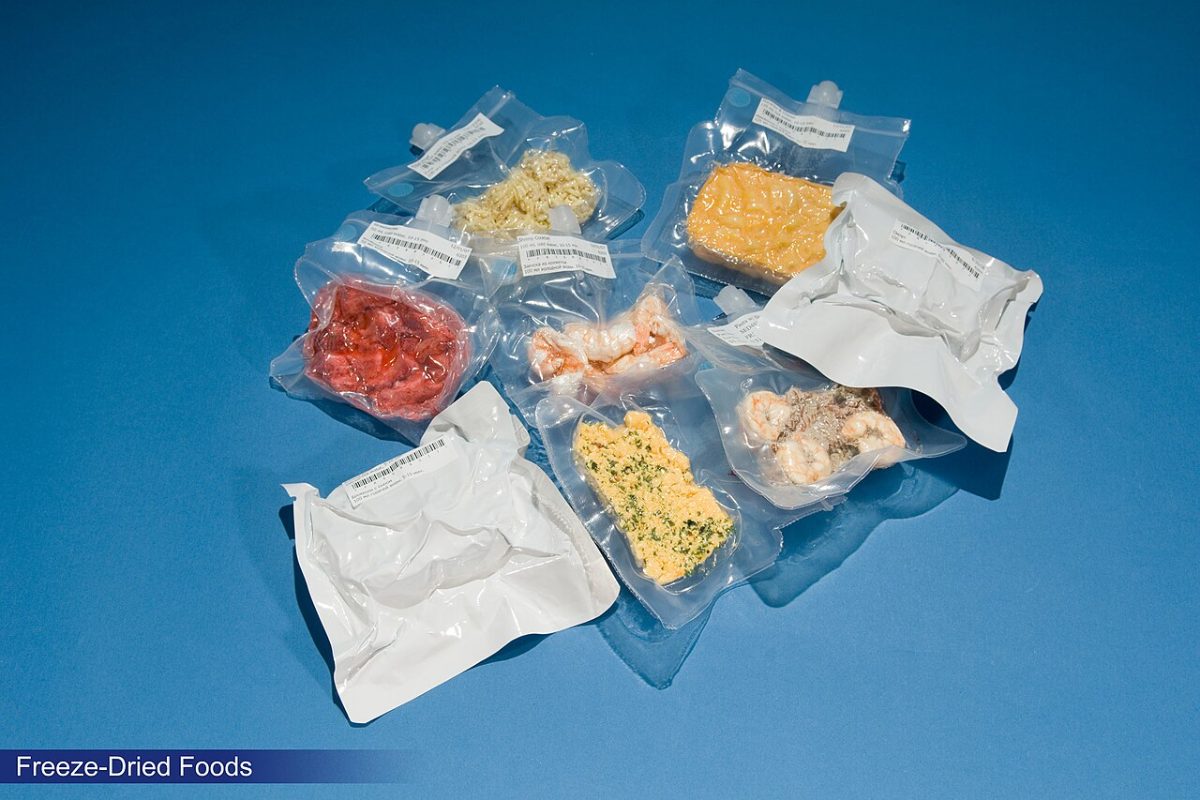
Packaging matters as much as the machine. Freeze-dried food absorbs moisture quickly from the air, so pack it promptly into Mylar bags with oxygen absorbers, vacuum-sealed moisture-barrier bags or vacuum-sealed jars, and label each with the food, whether it was raw or cooked, and the date.
Food safety: what neither machine does
Drying removes water; it does not reliably kill harmful bacteria. UMN and USU both stress that freeze-drying does not kill illness-causing microorganisms, so raw meat, raw seafood and raw eggs must be cooked before they are eaten after freeze-drying. For jerky in a dehydrator, follow NCHFP guidance and heat meat to 160°F (poultry to 165°F) before or after drying. UMN also notes that the NCHFP has not yet published research-based freeze-drying recipes, so follow the manufacturer’s and extension guidance closely.
Neither machine replaces canning for foods you want to keep as wet, ready-to-eat products. If you can tomatoes, beans or stock, keep using tested pressure canning or water bath methods for those.

Which should you buy? A decision guide
| If you… | Choose |
|---|---|
| Want snacks, fruit leather, dried herbs or jerky | Dehydrator |
| Have a big garden glut each fall | Dehydrator (plus canning and freezing) |
| Want long-term storage of complete cooked meals | Freeze dryer |
| Want to preserve dairy such as yogurt or cheese | Freeze dryer (within the maker’s guidance) |
| Have limited space or budget | Dehydrator |
| Are building an emergency food supply | Freeze dryer, or buy commercially freeze-dried food |
Common mistakes
- Buying a freeze dryer without measuring the space, the floor or table it will stand on, and ventilation for a hot vacuum pump.
- Assuming freeze-drying makes raw meat safe to eat without cooking.
- Storing dried or freeze-dried food in jars without checking it is fully dry: moisture plus no oxygen can create a botulism risk, as USU warns about vacuum packaging.
- Expecting home-made freeze-dried food to last 25 years: that figure applies to commercial products.
Frequently asked questions
Is a freeze dryer better than a dehydrator?
Not for most people. A freeze dryer gives better texture and longer shelf life, but a dehydrator costs far less, takes hours rather than 20–40 hours per batch, and handles fruit, vegetables, herbs and jerky well.
How long does freeze-dried food last compared with dehydrated food?
Commercial freeze-dried food is estimated to last 8 to 10 years (USU) and up to 25 years (UMN) in proper packaging. The NCHFP gives about 4 months to 1 year for dehydrated foods. There is little data on home freeze-dried food.
Does freeze-drying kill bacteria?
No. Freeze-drying preserves food but does not kill illness-causing microorganisms, so raw meat, seafood and eggs must be cooked before eating.
How long does a freeze dryer take per batch?
Typically 20 to 40 hours, according to USU Extension. Dense or high-sugar foods take longer; fresh pineapple can take 48 to 52 hours.
Can you freeze-dry food in a dehydrator?
No. A dehydrator uses warm moving air and cannot create the deep freeze and vacuum needed for freeze-drying.
Related guides
- Best food dehydrator
- Best vacuum sealer
- Dehydrated apples
- Beef jerky in a dehydrator
- Vacuum sealer bags
Sources
- Utah State University Extension, Buying a home freeze-dryer: what to know before you go
- University of Minnesota Extension, Freeze drying
- National Center for Home Food Preservation, Packaging and storing dried foods (archived)