Updated November 2026. Some links are affiliate links: as an Amazon Associate we earn from qualifying purchases. See our affiliate disclosure.
If you buy meat in bulk, put up stock and soup in the freezer, or preserve a lot of garden produce, you have probably run into the limits of an ordinary vacuum sealer: liquids get sucked into the machine, bags are expensive, and the seal can fail after a long day of sealing. A chamber vacuum sealer solves most of those problems. It is bigger and more expensive, but for serious home preservers it can pay for itself in cheaper bags and less wasted food.
This guide explains how chamber vacuum sealers work, how they compare with the more common external (suction) sealers, which models are worth considering for a home kitchen, and the food safety rules that apply to all vacuum-packed food. We have not lab-tested these machines; our picks are based on published specifications, design and patterns in buyer reviews.
Quick picks
- Best compact chamber sealer: Avid Armor USV1 Ultra SeriesONE, a small chamber sealer with a 10-inch seal bar that fits on a counter or in a deep drawer.
- Best mid-size: Avid Armor USVX, with a 10-inch removable seal bar, dual sealing wires and a full-view glass lid.
- Best for bigger batches: Avid Armor USV32 Ultra Series, with an 11.5-inch seal bar for larger bags.
- Best for cooks who like extra functions: Anova Precision Chamber Vacuum Sealer, with infuse, compress and dry modes.
- Bags: Avid Armor chamber vacuum bags (250-pack, 11 x 10 in), BPA-free pre-cut pouches.
How a chamber vacuum sealer works
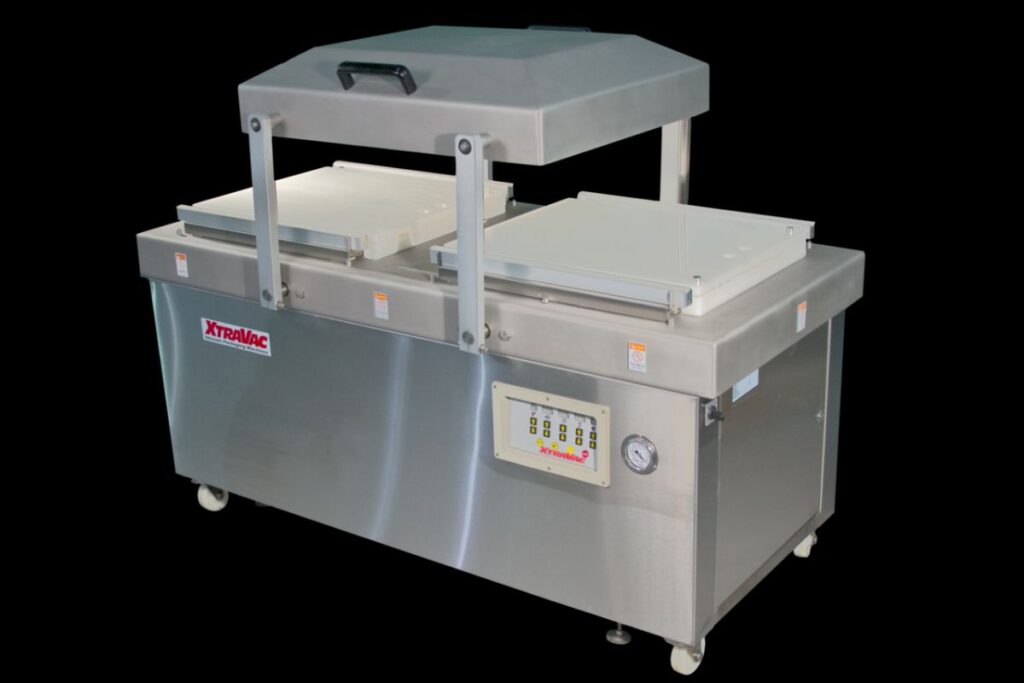
An external vacuum sealer, like most countertop FoodSaver-style machines, sucks air out of the open end of a textured bag and then heat-seals it. A chamber sealer works differently: you put the whole bag inside a chamber with its open end lying across the seal bar, close the lid, and the machine removes the air from the entire chamber. Because the pressure is the same inside and outside the bag, liquids stay in the bag instead of being pulled toward the pump. When the vacuum is complete, the seal bar seals the bag and air rushes back into the chamber, pressing the bag tightly around the food.
That design has three big advantages for home preservers:
- Liquids and wet foods. You can seal soups, stocks, stews, marinades and juicy cuts of meat without freezing them first.
- Cheaper bags. Chamber sealers use smooth, non-embossed pouches, which usually cost much less per bag than the textured rolls external sealers need.
- Consistency. Chamber machines are built for repeated use, so they suit long sealing sessions after a hunting trip or a bulk meat order.
The downsides are size, weight and price. Chamber sealers are heavy countertop appliances, and the bag size is limited by the chamber and seal bar length.
Chamber vs external vacuum sealer
| Feature | Chamber sealer | External (suction) sealer |
|---|---|---|
| Liquids and soups | Seals them well | Liquids can be drawn into the machine |
| Bag type | Smooth chamber pouches, low cost per bag | Textured bags or rolls, higher cost per bag |
| Bag size | Limited by chamber and seal bar | Long rolls possible, any length |
| Size and weight | Large and heavy | Compact and light |
| Price | Higher | Lower |
| Best for | Bulk meat, soups, frequent sealing | Occasional sealing, dry foods, small kitchens |
If you only seal a few bags a month, an external sealer is probably all you need. See our guide to the best vacuum sealers. For dry goods in jars, a mason jar vacuum sealer is a cheaper option.
The best chamber vacuum sealers for home use
1. Avid Armor USV1 Ultra SeriesONE: best compact
The Avid Armor USV1 is one of the smallest chamber sealers available. Avid Armor lists an overall size of 12 x 12 x 6.25 inches, a 10 x 10 inch internal chamber that is 2.25 inches deep, and a 10-inch seal bar. It’s designed for family-size portions: the brand suggests pouches such as 6 x 8, 6 x 10, 8 x 10 and 10 x 10 inches. The shallow chamber limits how thick a package can be, so whole roasts and large bags of soup may not fit.
2. Avid Armor USVX: best mid-size
The Avid Armor USVX has a slightly larger internal chamber (10.5 x 10.5 x 3.5 inches according to the listing), a 10-inch removable seal bar with dual sealing wires and a tempered glass lid, so you can watch what’s happening. The deeper chamber makes it more practical for soups and thicker cuts than the USV1. It has strong ratings from a solid number of buyers on Amazon.ca.
3. Avid Armor USV32 Ultra Series: best for bigger batches
The Avid Armor USV32 steps up to an 11.5-inch seal bar, which lets you seal wider bags for bigger cuts and family portions. It’s the most expensive Avid Armor model here and needs more counter space, but if you process a deer, a side of pork or a big harvest every year, the extra size is useful.
4. Anova Precision Chamber Vacuum Sealer: best for extra functions
Anova is best known for sous vide circulators, and its Precision Chamber Vacuum Sealer adds cooking functions on top of sealing: an infuse/extract mode, a compress mode for changing the texture of fruit and vegetables or brining faster, and a dry/cool program. These are fun for keen cooks, but for pure preserving the Avid Armor machines offer more chamber for the money.
Bags for chamber sealers
Use smooth pouches designed for chamber machines, such as these Avid Armor 11 x 10 inch chamber bags. Match the pouch width to your seal bar, and choose thicker bags for bony cuts or long freezer storage.

Vacuum sealing safety: what a vacuum sealer can and can’t do
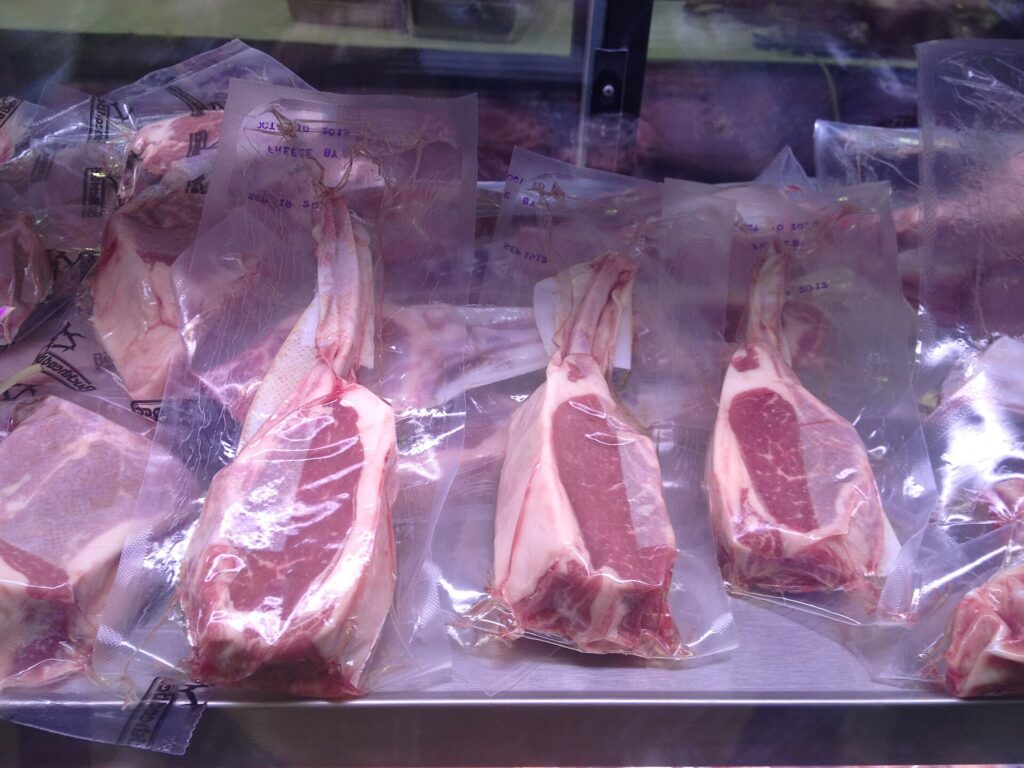
Vacuum packaging is excellent for preventing freezer burn and extending fridge life, but it is not a preservation method on its own. Food safety specialists at Clemson University and Michigan State University Extension stress these points:
- Vacuum packaging is not canning. It does not make food shelf-stable. Perishable food that is vacuum sealed still has to be refrigerated at 34 to 40°F or frozen at 0°F or below.
- Botulism risk. Clostridium botulinum grows without oxygen in moist, low-acid foods held at room temperature. Removing air can actually favour it, so never store vacuum-packed perishable food at room temperature.
- Thaw safely. Thaw vacuum-packed food in the refrigerator, never on the counter. MSU recommends removing fish from its vacuum package before thawing.
- Some foods are not recommended for vacuum packing. Vacuum sealer manufacturers advise against packaging raw onions, fresh mushrooms and fresh garlic.
- Vacuum-packed food still spoils. Use fridge-stored packages within normal safe times and label everything with the date.
If you want shelf-stable stock, soups or meat, they must be pressure canned using a tested recipe. See our guide to the best pressure canners.
What to use a chamber sealer for
- Portioning bulk meat, poultry and fish for the freezer
- Freezing stock, soup and sauces flat in pouches (chill them first)
- Sealing marinated meat for the fridge or freezer
- Storing dehydrated foods such as jerky and dried apples airtight
- Preparing food for sous vide cooking
- Re-sealing bulk dry goods like coffee, nuts and grains
Tips for better seals
- Keep the area to be sealed clean and dry; wipe off grease and liquid before sealing.
- Chill hot liquids before sealing. Warm liquids can boil under vacuum at lower temperatures and make a mess.
- Leave a few inches of headspace in the bag so it lies flat across the seal bar.
- Cushion sharp bones with a folded paper towel so they don’t puncture the pouch.
- Freeze soups flat on a tray, then stack them like books.
Frequently asked questions
Is a chamber vacuum sealer worth it?
If you seal often, especially liquids, meat and bulk portions, yes: cheaper bags and better handling of wet foods add up. For occasional sealing, an external sealer is cheaper and more compact.
Can you seal liquids in a chamber vacuum sealer?
Yes, that’s their biggest advantage. Chill liquids first and don’t overfill the pouch.
Can I use regular vacuum sealer bags in a chamber sealer?
Usually yes, but it’s a waste of money: the textured bags made for external sealers cost more. Chamber pouches are smooth and cheaper.
Does vacuum sealing make food shelf-stable?
No. Vacuum-sealed perishable food must be refrigerated or frozen. Only tested canning, proper drying and similar methods make food shelf-stable.
How long does vacuum-sealed meat last in the freezer?
Vacuum sealing helps prevent freezer burn, which keeps quality higher for longer, but safety and quality guidelines for frozen meat still apply. Label every package with the contents and date.
Related guides
- Best vacuum sealers
- Vacuum sealer bags
- Mason jar vacuum sealers
- How to make beef jerky in a dehydrator
- Best pressure canners
Sources
- Clemson Cooperative Extension, Home and Garden Information Center: Vacuum Packaging Foods at Home
- Michigan State University Extension: Vacuum-sealed food: what are the food safety concerns?
- Manufacturer specifications from product listings on Amazon.ca, checked November 2026.
Comments
3 responses to “Best Chamber Vacuum Sealer for Home Use (2026)”
[…] mason jar vacuum sealer or a chamber vacuum sealer helps keep air and humidity […]
[…] Related: Best chamber vacuum sealers […]
[…] Best chamber vacuum sealers […]